
LIFE PROCESS
Life processes are the basic activities that living organisms perform to survive, grow, and develop. These processes include:- Nutrition: The process of getting energy and nutrients from food.
- Transportation: The process of distributing food and oxygen throughout the body.
- Metabolism: The process of breaking down food to release energy.
- Respiration: The process of releasing energy by breaking down glucose.
- Reproduction: The process of creating new organisms.
- Excretion: The process of removing unwanted substances from the body.
NUTRITION
Types of Nutrition
Autotrophic Nutrition: The mode of nutrition in which organisms
make their own food
from
simple substances.
Heterotrophic Nutrition: The mode of nutrition in which organisms obtain food from
other
organisms.
Autotrophic Nutrition
Autotrophic nutrition is the process by which organisms make
their
own
food from inorganic substances like
water, carbon dioxide, and mineral salts. The word "autotrophic" comes from the words
"auto"
meaning "self" and "trophic" meaning "nutrition".
How does autotrophic nutrition work?
Photoautotrophic nutrition Most organisms use sunlight as an energy
source to make food
through photosynthesis.
Chemoautotrophic nutrition Some organisms use chemical reactions instead of
sunlight to
make food. These organisms are called chemoautotrophs.
Examples of autotrophic nutrition are green plants, algae, and cyanobacteria.
Chemosynthetic autotrophs
- Chemosynthetic autotrophs are organisms that use chemical reactions to make food.
- They are often found in extreme environments like deep-sea hydrothermal vents and some underground caves.
- They use energy from chemical reactions to incorporate carbon dioxide into organic molecules.
Process of photosynthesis
Photosynthesis is the process by which plants use light energy to convert carbon dioxide and
water into carbohydrates.
These carbohydrates are stored in plants as starch.
\(
CO_2 + H_2O
\xrightarrow{\begin{array}{c}\text{Chlorophyll}\\\text{Sunlight}\end{array}}
\underset{\text{Glucose}}{C_6H_{12}O_6} + 6O_2 + 6H_2O
\)
(Excess Glucose is stored as Starch in Plants and as Glycogen in Animals)
Following process occur during Photosynthesis
- Absorption of light energy by chlorophyll.
- Conversion of light energy to chemical energy and splitting of water molecules into hydrogen and oxygen.
- Reduction of carbon dioxide to carbohydrates.
These steps need not take place one after the other immediately. For example, desert plants (Xerophytes) take up carbon dioxide at night and prepare an intermediate (Malic Acid), which is acted upon by the energy absorbed by the chlorophyll during the day.
\( CO_2 + H_2O \xrightarrow{\text{During Night}} \text{Malic Acid}\\\\ \text{Malic Acid}\xrightarrow[\text{During Day}]{\text{Sunlight}}\underset{\text{Glucose}}{C_6H_{12}O_6} \)
Some cells contain green dots. These green dots are cell organelles called chloroplasts, which contain chlorophyll.
Stomata
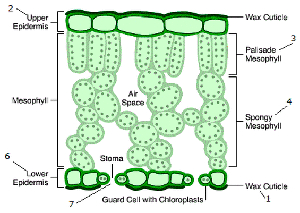
These are tiny pores present on the surface of the leaves. Massive amounts of gaseous exchange take place in the leaves through these pores for the purpose of photosynthesis. But it is important to note here that exchange of gases occurs across the surface of stems, roots and leaves as well. Since large
amounts of water can also be lost through these stomata, the plant
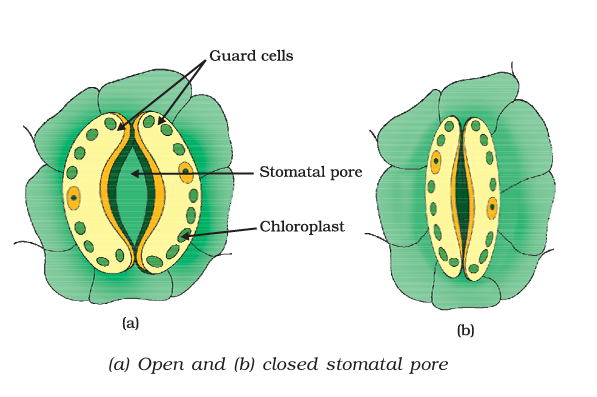
closes these pores when it does not need carbon dioxide for photosynthesis. The opening and closing of the pore is a function of the guard cells. The guard cells swell when water flows into them, causing the
stomatal pore to open. Similarly, the pore closes if the guard cells shrink.
HETEROTROPHIC NUTRITION
Heterotrophic nutrition is a mode of nutrition where organisms depend on other organisms for food. Organisms that cannot make their own food are called heterotrophs.Examples of heterotrophs
- All animals, including humans
- Certain types of fungi
- Non-photosynthesizing plants
Types of heterotrophic nutrition
- Holozoic: Involves the consumption of solid and liquid food materials. Examples include humans, dogs, and most vertebrates.
- Saprophytic: Involves feeding on dead and decaying matter. Examples include fungi and bacteria.
- Parasitic: Involves living in or on another organism and acquiring nutrition at its expense. Examples include lice and tapeworms.
Nutrition in Amoeba
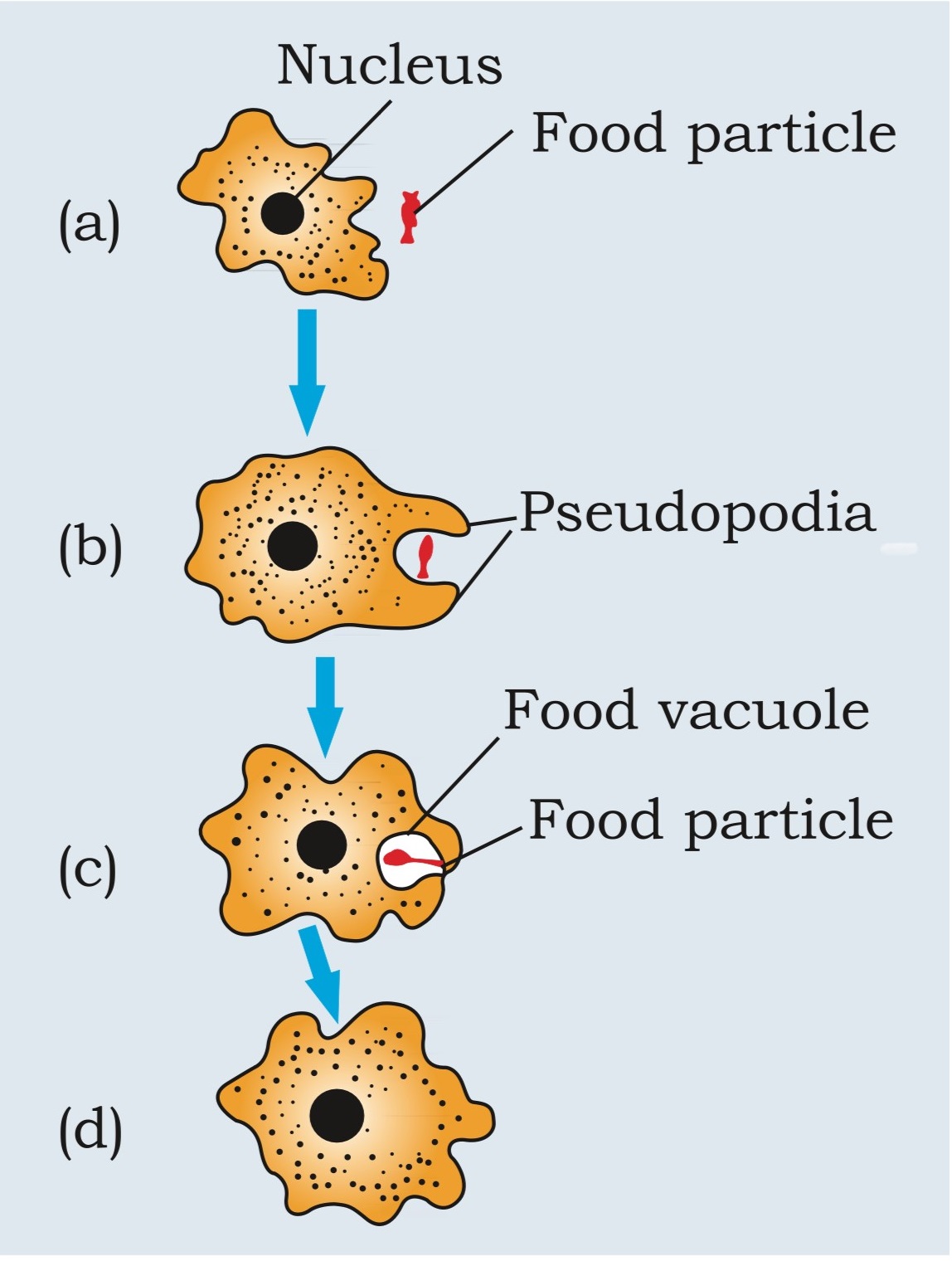
Amoeba, a simple, single-celled organism found in fresh water, employs a flexible and direct method
for obtaining its food, known as holozoic nutrition. Unlike animals with a mouth, amoeba uses its
entire body surface for feeding. When it encounters a food particle like a tiny bacterium or algae,
sections of its cell membrane project outward to form temporary arm-like structures called
pseudopodia.
These pseudopodia fuse around the food, enclosing it within a small bubble called a food vacuole.
Once the food vacuole is formed, digestive enzymes are released into it from the cytoplasm. These enzymes chemically break down the food into simple, soluble molecules, which are then absorbed
directly into the cell’s interior. Undigested remains are eventually expelled through the cell
membrane. Amoeba's method is highly adaptable, allowing it to eat just about anything smaller than
itself.
Nutrition in Human Beings
Nutrition in humans is the process of taking in food and using it for growth, repair, and energy. It is a biochemical process that takes place in the digestive system.Steps of nutrition
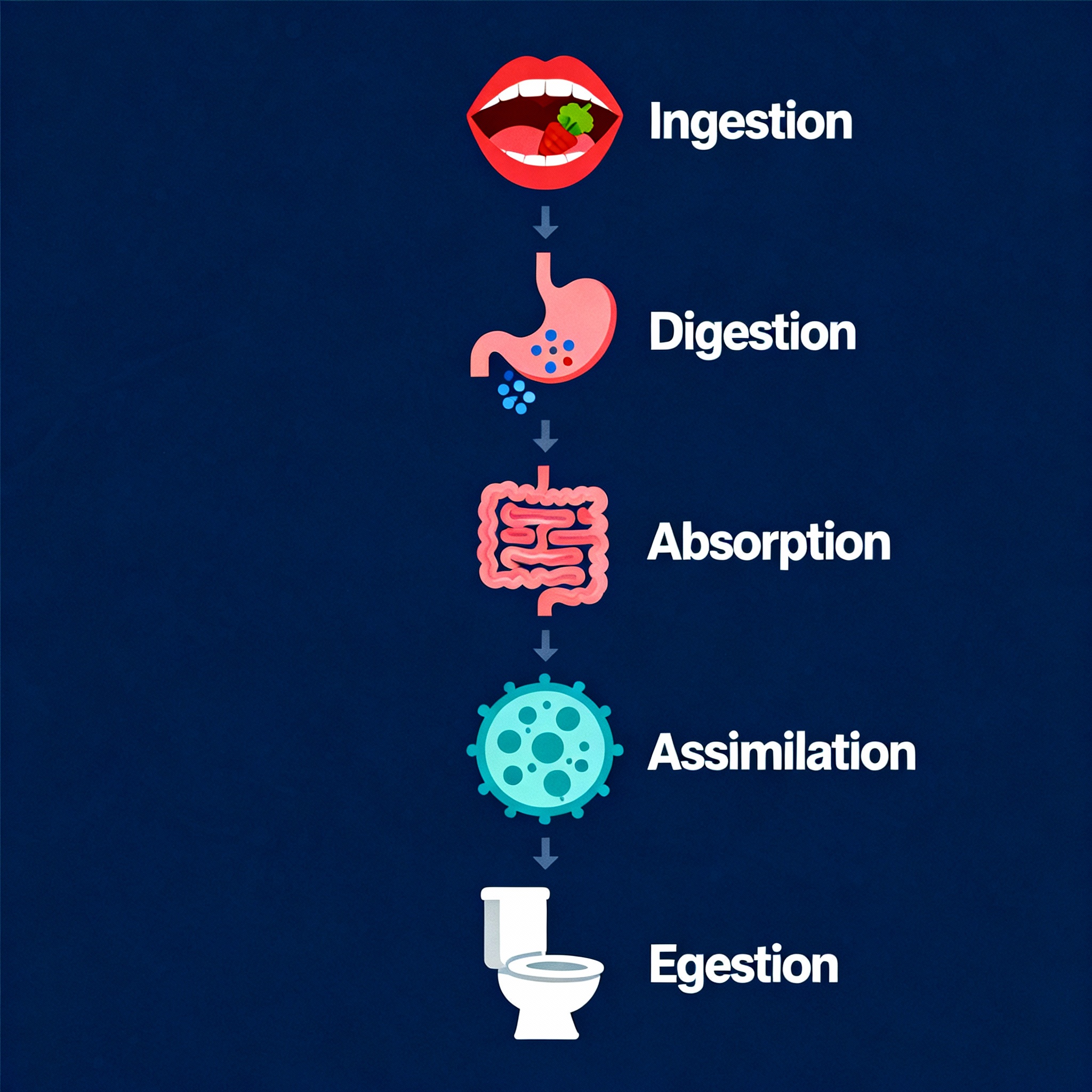
- Ingestion: Food is taken into the mouth
- Digestion: Food is broken down into smaller molecules by enzymes
- Absorption: Digested food is absorbed into the bloodstream
- Assimilation: Digested food is transported to cells for growth and repair
- Egestion: Undigested food is removed from the body as feces
Nutrition Process
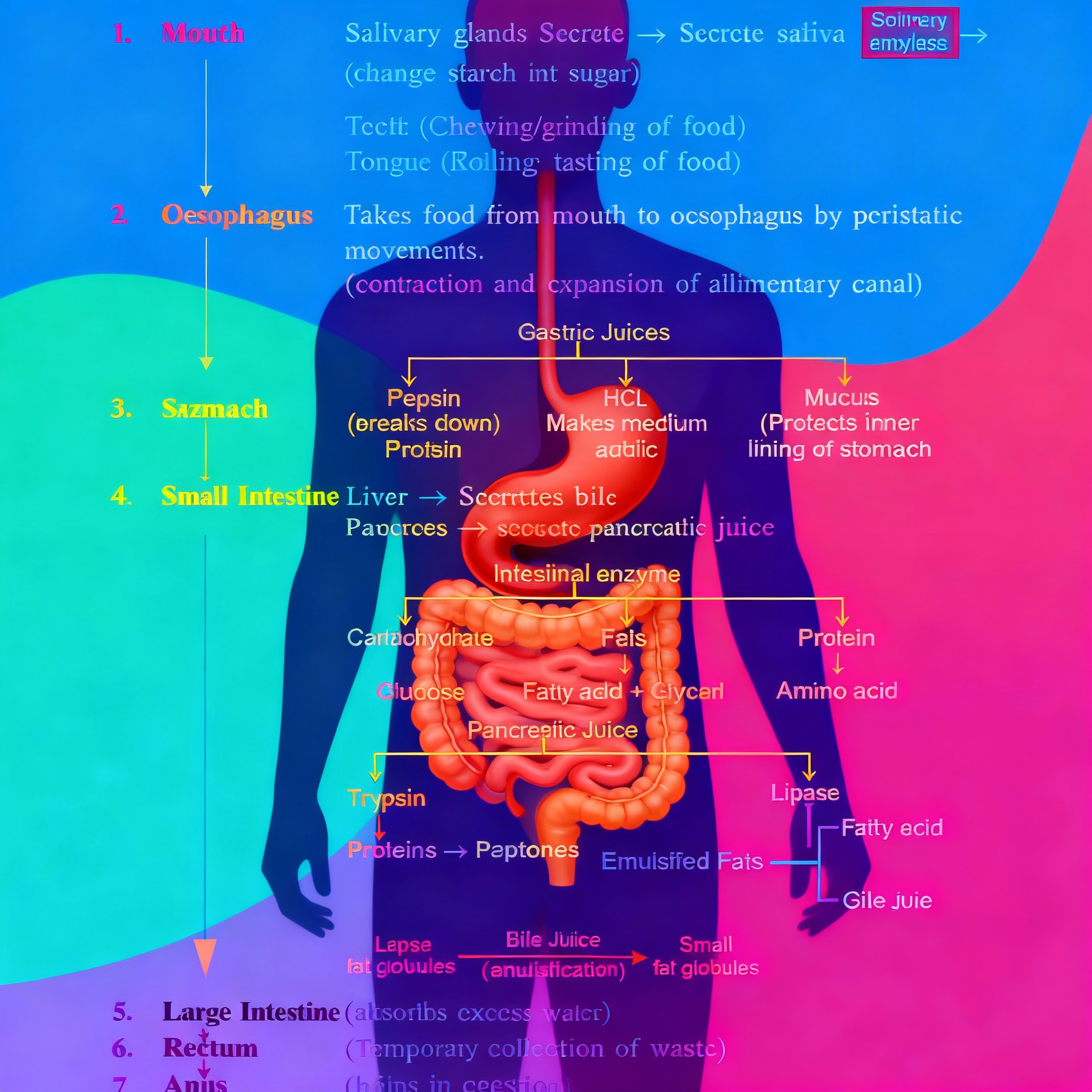
-
Mouth
- Salivary glands secrete saliva (salivary amylase, starch \(\Rightarrow\) sugar)
- Teeth: Chewing/grinding food
- Tongue: Rolling, tasting food
$$\Downarrow$$
-
Oesophagus
Transports food from the mouth to the stomach by peristalsis
$$\Downarrow$$
-
Stomach
Gastric juices: Pepsin (protein breakdown), HCl (acidic medium), Mucus (protection)
$$\Downarrow$$
-
Small Intestine
- Liver: Secretes bile (emulsifies fats)
- Pancreas: Pancreatic juices (trypsin, lipase)
- Digestion & absorption: Carbs → glucose, fats → fatty acids + glycerol, proteins \(\Rightarrow\) amino acids
$$\Downarrow$$
-
Large Intestine
Absorbs excess water
$$\Downarrow$$
-
Rectum
Temporarily stores waste
$$\Downarrow$$
-
Anus
Egestion of waste
RESPIRATION
Respiration is the process of exchanging gases with the environment to produce energy. It involves taking in oxygen and releasing carbon dioxide.The food material taken in during the process of nutrition is used in cells to provide energy for various life processes. Diverse organisms do this in different ways
- some use oxygen to break down glucose completely into carbon dioxide and water
- some use other pathways that do not involve oxygen in all cases
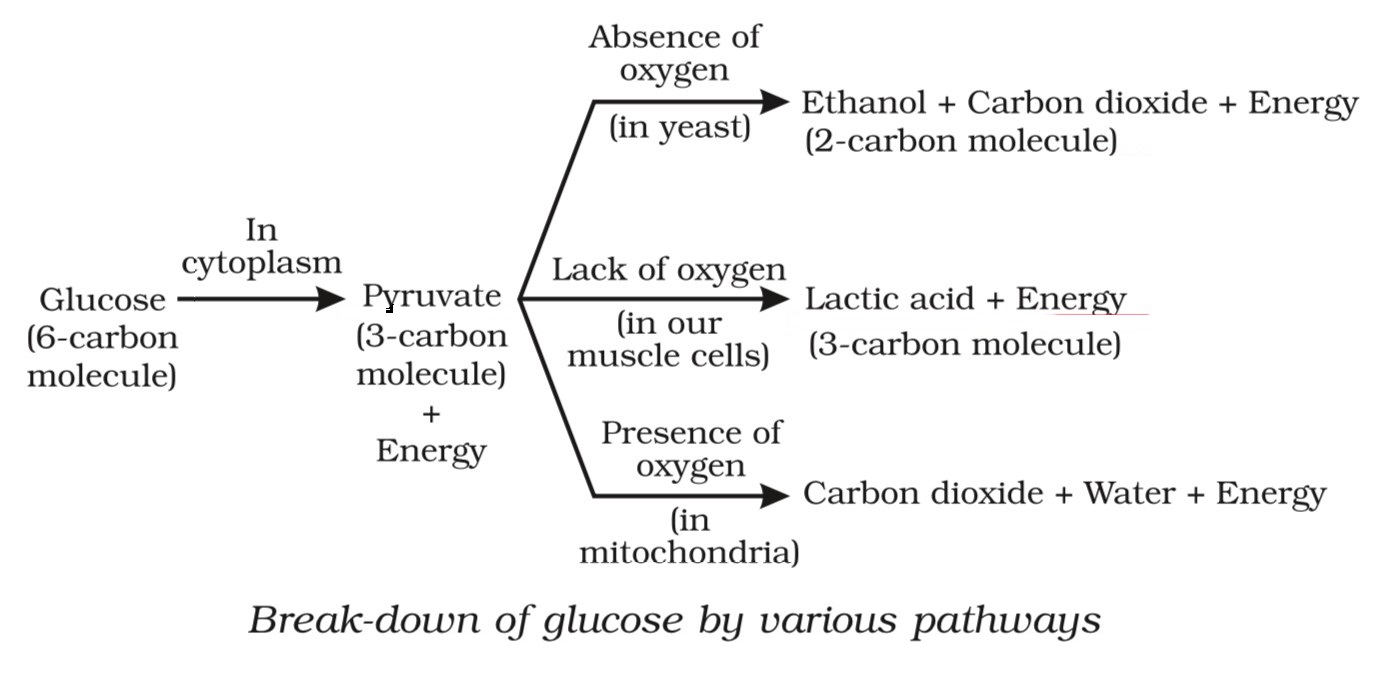
- The first step is the breakdown of glucose, a six-carbon molecule, into a three-carbon molecule called pyruvate.
- This process takes place in the cytoplasm.
- Further, the pyruvate may be converted into ethanol and carbon dioxide. This process takes place in yeast during fermentation. Since this process takes place in the absence of air (oxygen), it is called anaerobic respiration. The breakdown of pyruvate using oxygen takes place in the mitochondria. This process breaks up the three-carbon pyruvate molecule to give three molecules of carbon dioxide. The other product is water. Since this process takes place in the presence of air (oxygen), it is called aerobic respiration.
- The release of energy in this aerobic process is a lot greater than in the anaerobic process. Sometimes, when there is a lack of oxygen in our muscle cells, pyruvate is converted into lactic acid which is also a three-carbon molecule. Lactic acid causes cramps in muscles.
Types of Respiration
- Aerobic respiration: Uses oxygen to produce energy, carbon dioxide, and water. This process is common in most plants and animals, including humans.
- Anaerobic respiration: Occurs in the absence of oxygen. This process is less efficient than aerobic respiration, but it's important for survival in environments without oxygen.
Steps of Respiration
- Breathing :Inhaling oxygen and exhaling carbon dioxide
- Cellular respiration: Breaking down food to release energy within the cell
Human Respiratory System
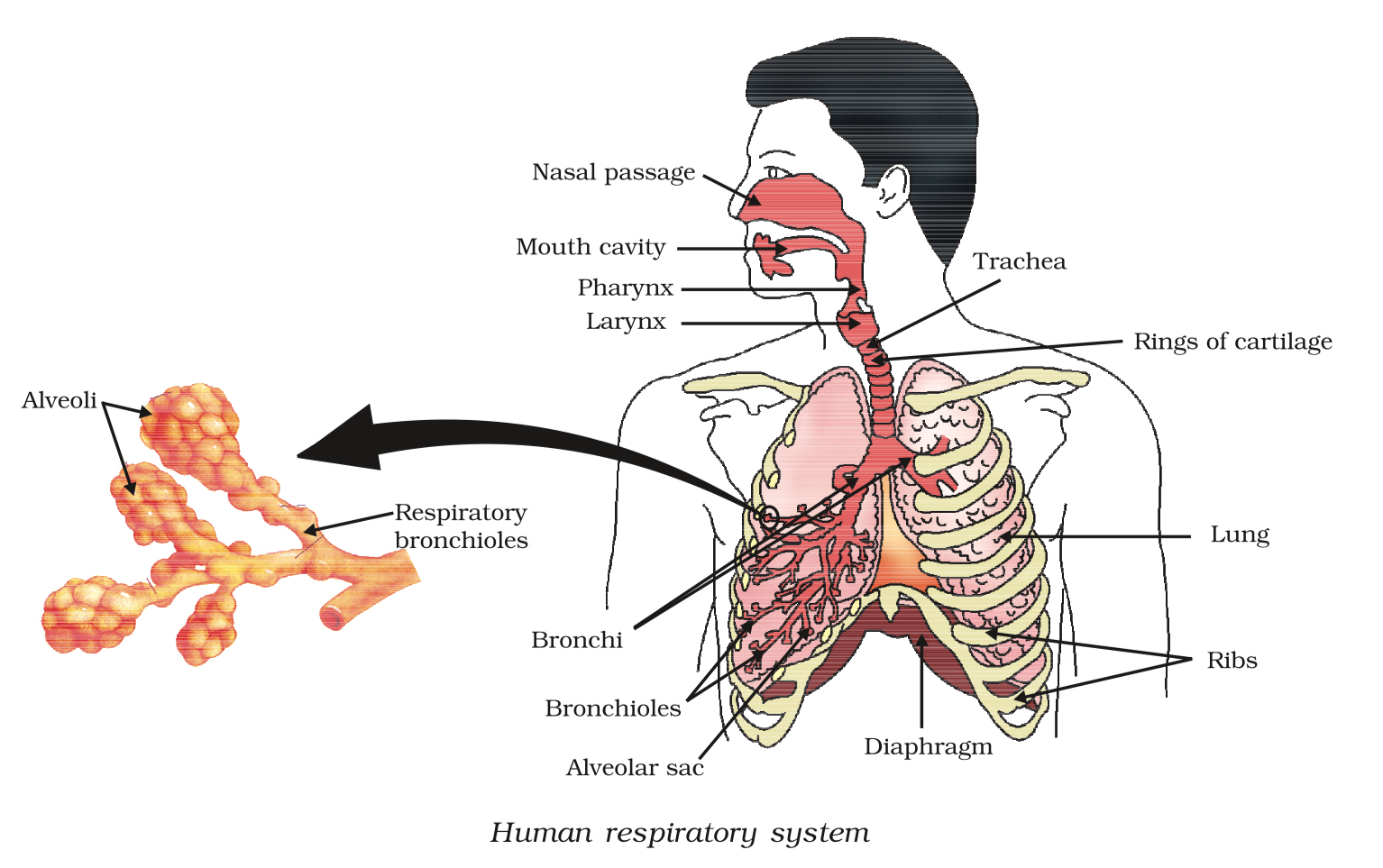
Parts of the human respiratory system
Nose \(\Rightarrow\) Mouth \(\Rightarrow\) Pharynx \(\Rightarrow\) Larynx \(\Rightarrow\) Trachea \(\Rightarrow\) Bronchi \(\Rightarrow\) Lungs \(\Rightarrow\) Diaphragm
In human beings (given figure), air is taken into the body through the nostrils. The air passing
through the nostrils is filtered by fine hairs that line the passage. The passage is also lined with mucus
which helps in this process. From here, the air passes through the throat and into the lungs. Rings
Cartilage is present in the throat. These ensure that the air passage does not collapse.
Within the lungs, the passage divides into smaller and smaller tubes, which finally terminate in
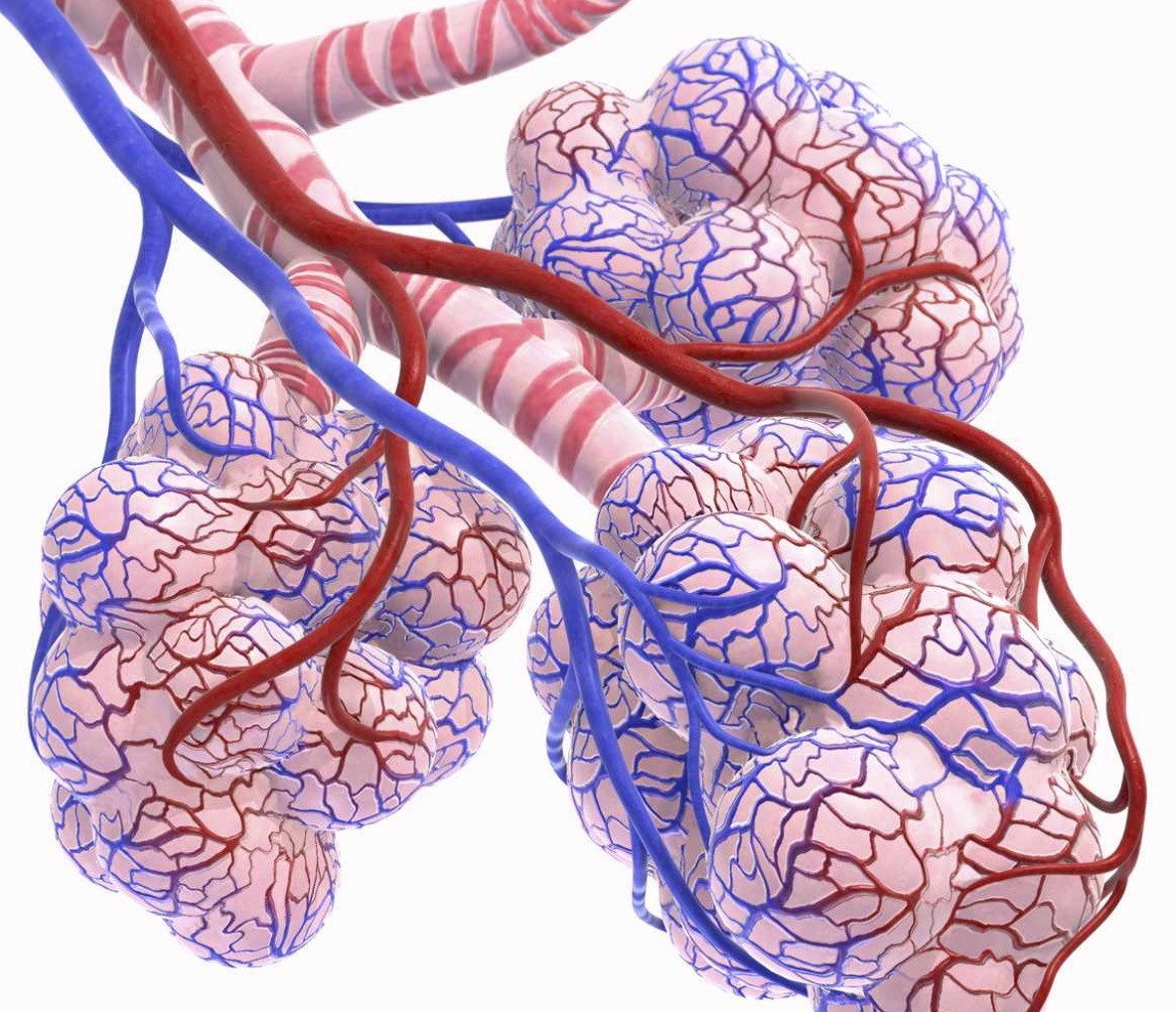
balloon-like structures, which are called alveoli (singular–alveolus). The alveoli provide a surface
where the exchange of gases can take place. The walls of the alveoli contain an extensive network of
blood-vessels. As we have seen in earlier years, when we breathe in, we lift our ribs and flatten
our diaphragm, and the chest cavity becomes larger as a result. Because of this, air is sucked into the lungs and fills the expanded alveoli. The blood brings carbon dioxide from the rest of the body
for release into the alveoli, and the oxygen in the alveolar air is taken up by blood in the alveolar blood vessels to be transported to all the cells in the body. During the breathing cycle, when air is taken in and let out, the lungs always contain a residual volume of air so that there is
sufficient time for oxygen to be absorbed and for the carbon dioxide to be released.
TRANSPORTATION
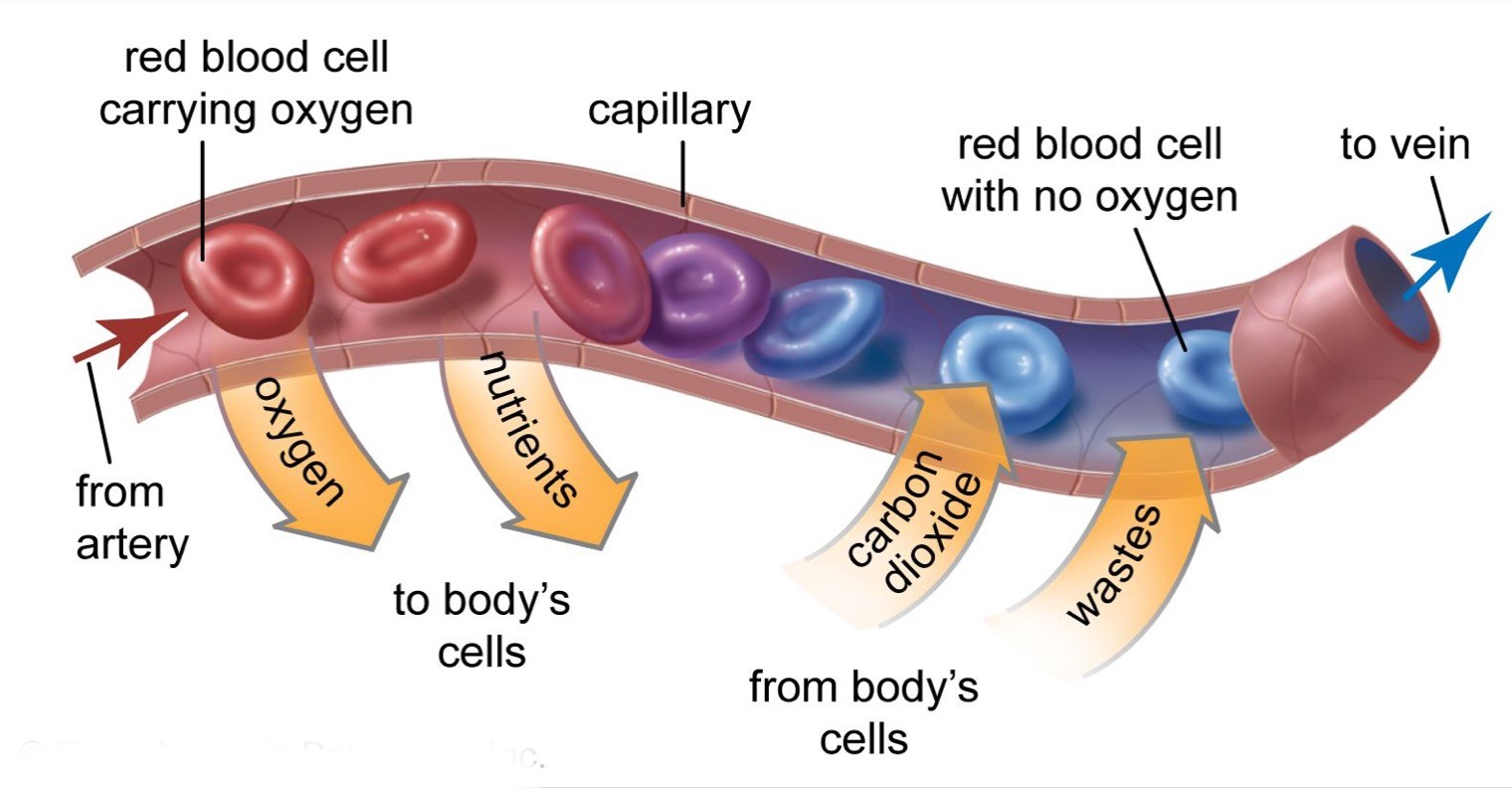
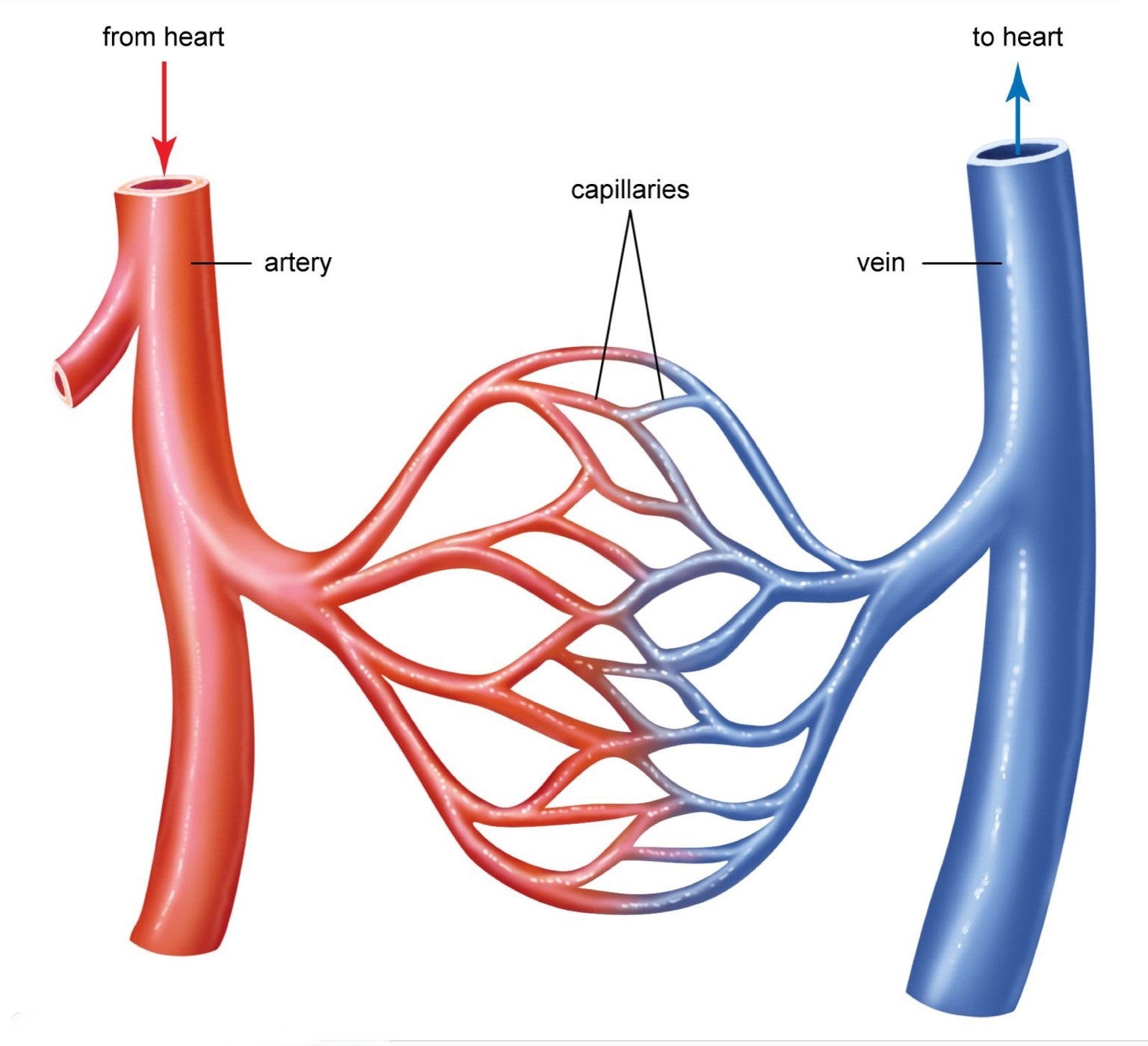
Blood transports food, oxygen and waste materials in our bodies. Blood consists of a fluid medium called plasma in which the cells are suspended. Plasma transports food, carbon dioxide and nitrogenous wastes in dissolved form. Oxygen is carried by the red blood corpuscles. Many other substances, like salts, are also transported by the blood. We thus need a pumping organ to push blood around the body, a network of tubes to reach all the tissues and a system in place to ensure that this network can be repaired if damaged.HEART
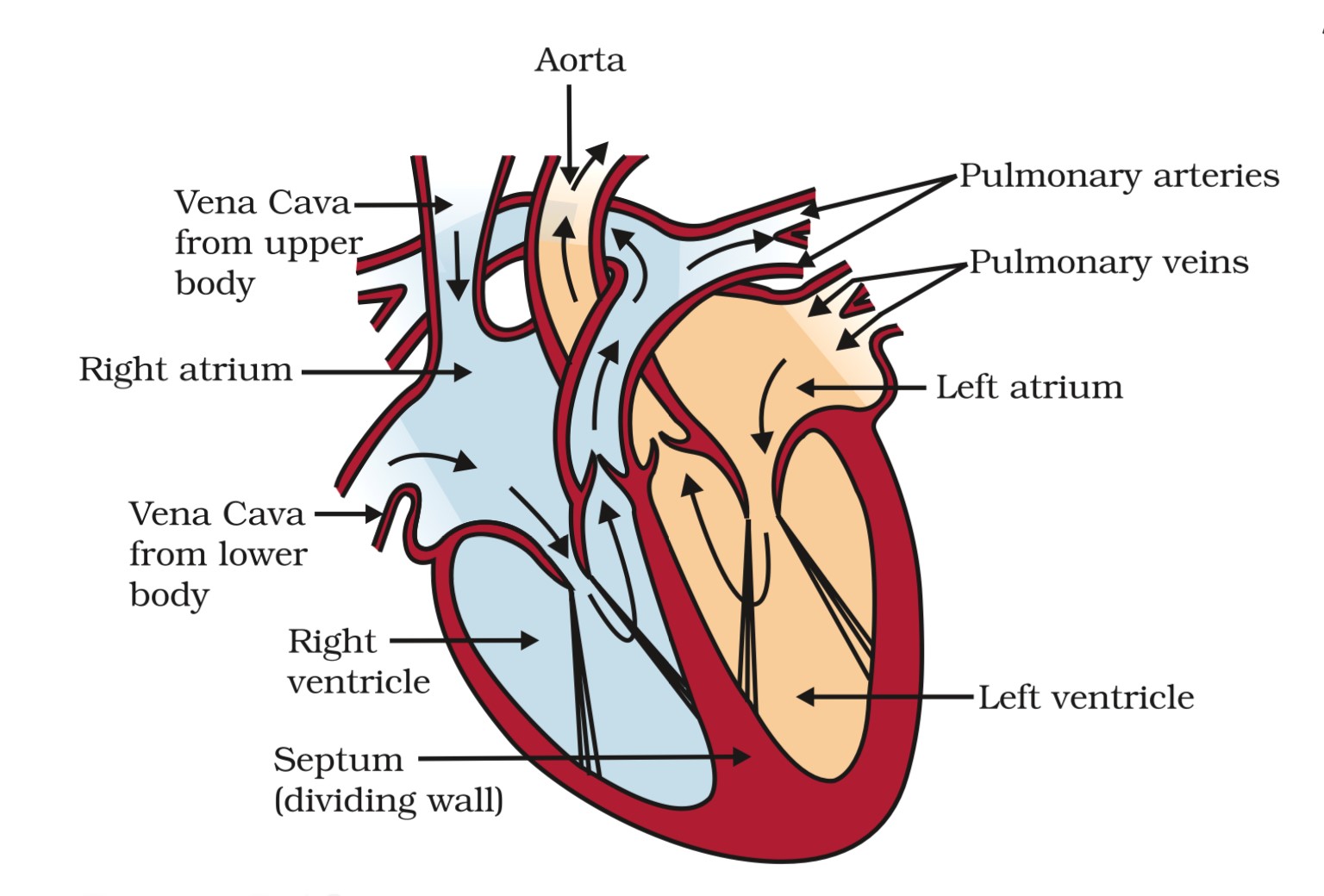
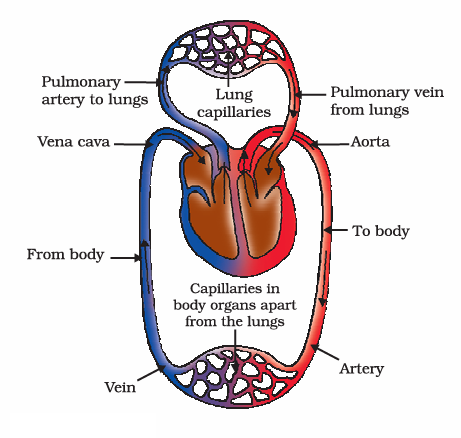
Veins collect the blood from different organs and bring it back to the heart. They do not need thick walls because the blood is no longer under pressure; instead, they have valves that ensure that the blood flows only in one direction.
Platelets
Platelets are cell fragments that circulate in the blood and help stop bleeding. They are also known as thrombocytes.Lymph
Lymph is another fluid involved in transportation. Some amount of plasma, protein and blood cells escape into the intercellular spaces in the tissues to form lymph or tissue fluid. It is similar to the plasma of blood but colourless and contains less protein. Lymph drains into lymphatic capillaries from the intercellular spaces, which join to form large lymph vessels that finally open into larger veins. Lymph carries digested and absorbed fat from the intestine and drains excess fluid from the cellular space back into the blood.Transportation in Plants
Transport of water
Xylem transports water and minerals only in the upward direction.Root pressure and transpirational pull It is the force which helps Xylem to carry water and minerals to the top.
Transport of food and other substances
Transport food in both directions. Phloem draws energy from ATP to perform transportation.Transpirational Pull
Transpirational pull is a biological process in plants that moves water from the roots to the leaves. It's also known as suction force.How it works
- Water evaporates from the leaves through pores called stomata.
- This creates a suction force in the xylem vessels.
- The force pulls water up from the roots through the xylem.
- The increased pressure causes the plant to absorb more water.
Excretion
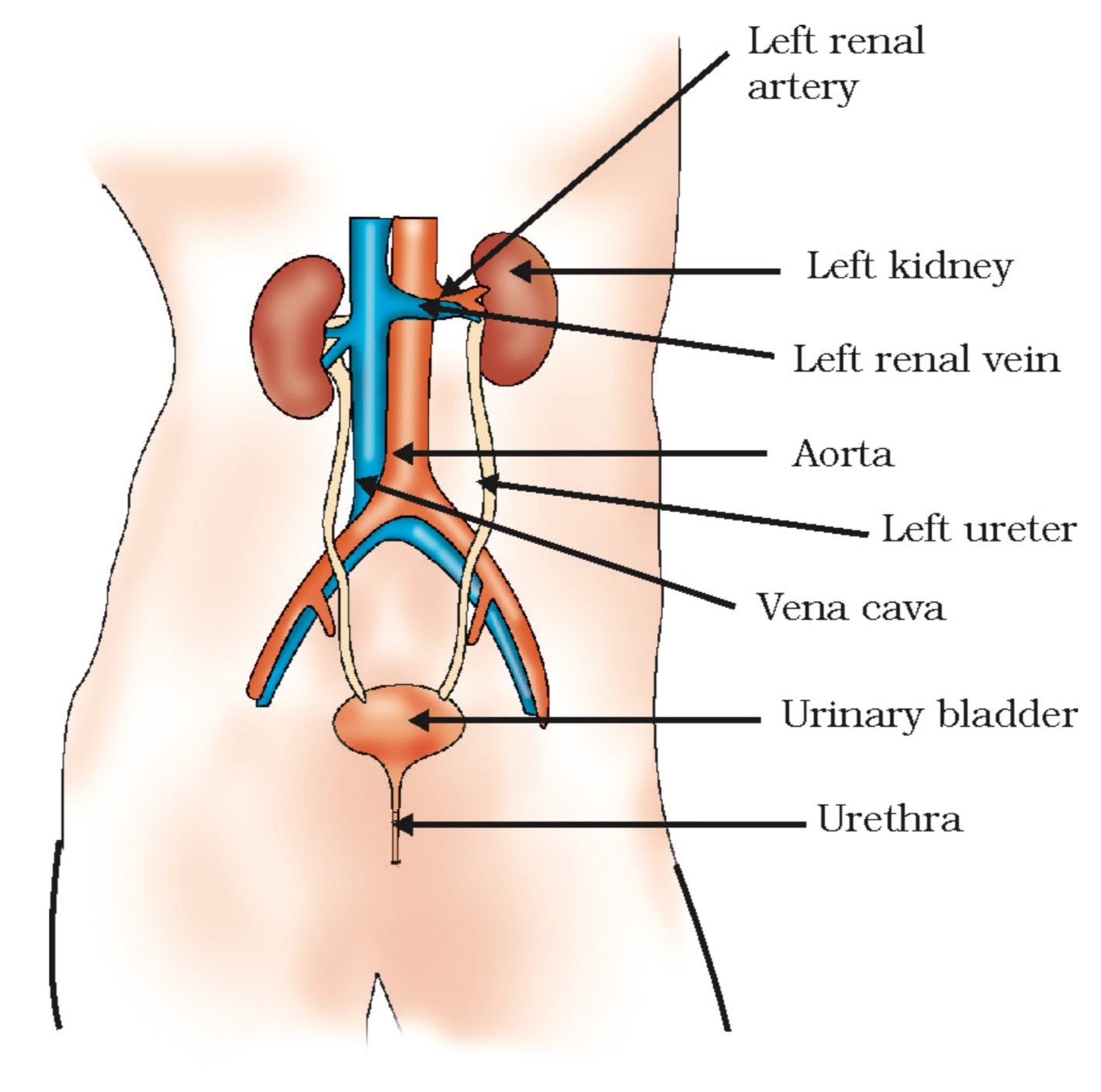
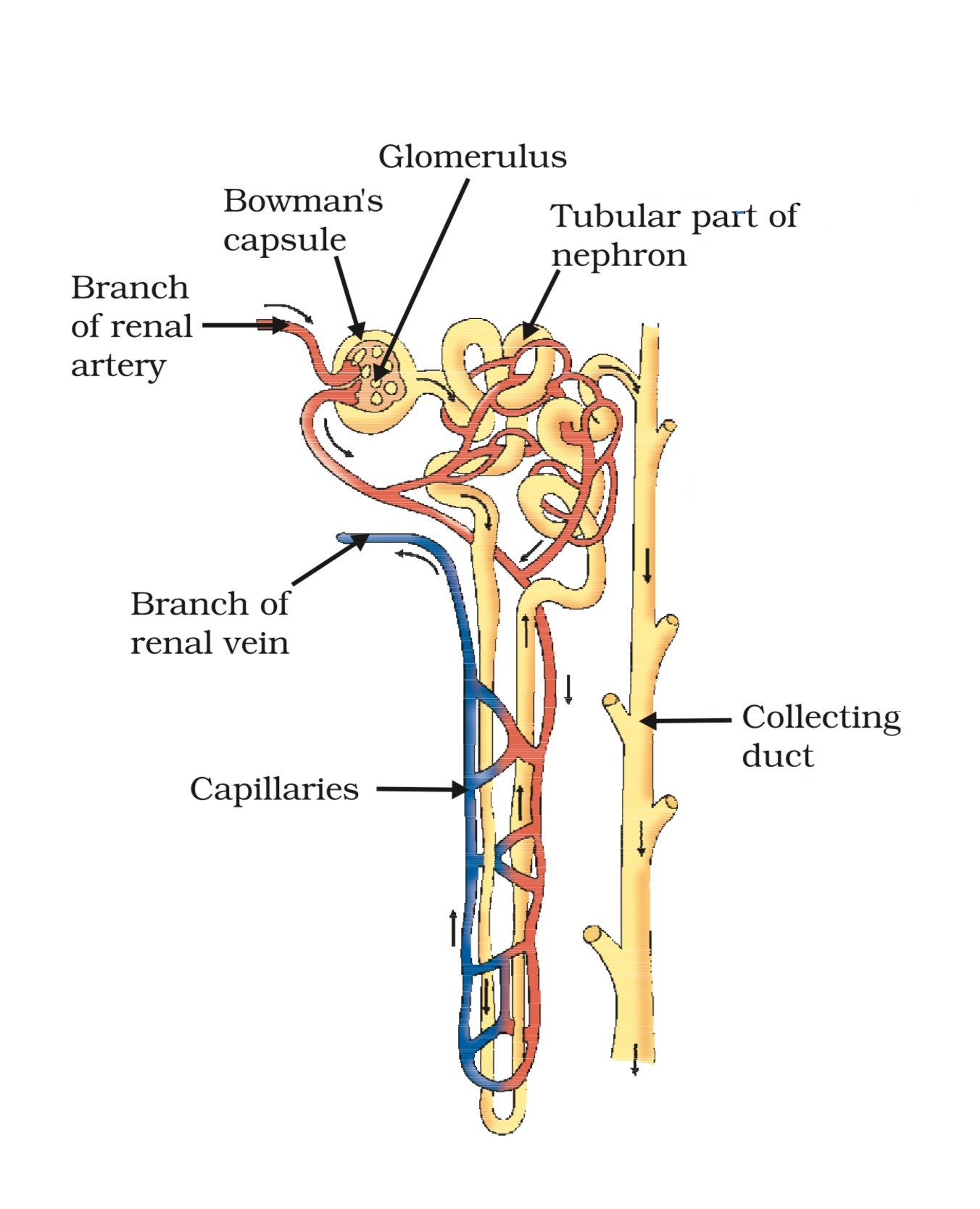
The purpose of making urine is to filter out waste products from the blood. Just as \(CO_2\) is removed from the blood in the lungs, nitrogenous waste such as urea or uric acid is removed from the blood in the kidneys. It is then no surprise that the basic filtration unit in the kidneys, like in the lungs, is a cluster of very thin-walled blood capillaries. Each capillary cluster in the kidney is associated with the cup-shaped end of a coiled tube called Bowman’s capsule that collects the filtrate. Each kidney has a large number of these filtration units called nephrons, packed close together.
Some substances in the initial filtrate, such as glucose, amino acids, salts and a major amount of water, are selectively reabsorbed as the urine flows along the tube. The amount of water reabsorbed depends on how much excess water there is in the body, and on how much dissolved waste there is to be excreted.
Steps of Urine Formation
Glomerular Filtration: Blood enters the kidney and flows into the glomerulus, a cluster of capillaries in the nephron. Pressure forces water and small solutes (like urea, glucose, and amino acids) out of the blood into Bowman’s capsule, forming a filtrate. Large molecules (proteins and blood cells) stay in the blood.Selective Reabsorption: As the filtrate travels through the renal tubule, needed substances (glucose, amino acids, and most water and ions) are reabsorbed into the blood via the tubule wall. Only waste and excess substances remain in the filtrate.
Tubular Secretion: Additional wastes (like hydrogen ions, potassium ions, drugs) and excess ions are secreted from the blood into the tubule. This balances the body's acid-base and ionic levels.
Formation of Urine: The remaining fluid in the tubule is now urine, which moves into collecting ducts, then passes to the bladder for excretion.
The urine formed in each kidney eventually enters a long tube, the ureter, which connects the kidneys with the urinary bladder. Urine is stored in the urinary bladder until the pressure of the expanded bladder leads to the urge to pass it out through the urethra.