🌾 Chapter 11 · NCERT Science IX

IMPROVEMENT IN
FOOD RESOURCES

From crop hybridisation to animal husbandry — explore the science behind sustainably feeding a billion people.

🌱Crop Improve
🌍Protection
🐄Husbandry
🐟Fisheries
2Crop Seasons
16Nutrients
★★★★Exam Weight
🌱
Crop Improvement
Hybridisation, GMOs, HYV seeds
🌍
Crop Protection
Pesticides, weedicides, storage
🐄
Animal Husbandry
Dairy, poultry, cattle management
🐟
Fisheries / Apiculture
Inland, marine, honey production
📌 Kharif vs Rabi crop distinction and examples are tested in almost every SA-I exam.
📌 Manure vs fertiliser comparison table is a standard 3-mark question.
📌 Methods of crop improvement (hybridisation, mutation breeding) appear in 5-mark theory.
📌 Poultry and dairy breeds, broilers vs layers — common in objective rounds of board exams.
Kharif CropsRabi CropsHYV SeedsHybridisationMacronutrientsMicronutrientsManureFertiliserIrrigation MethodsMixed CroppingCrop RotationVermicompost
🌧️ Kharif (June–Sept)
Paddy (Rice) · Maize · Soybean
Cotton · Groundnut · Bajra
❄️ Rabi (Oct–Mar)
Wheat · Mustard · Peas
Gram · Linseed · Barley
  • 1Improvement of crop varieties through hybridisation, GM crops, and HYV seeds
  • 2Nutrient management — manure, fertilisers, biofertilisers
  • 3Irrigation methods and their water-use efficiency
  • 4Weed control and crop protection from pests and diseases
  • 5Animal husbandry, poultry, fisheries, and apiculture practices
01
Crop Season Table
Memorise 5 examples each for Kharif and Rabi — these appear in every SA exam.
02
Manure vs Fertiliser
A 5-point comparison table between manure and fertiliser is a guaranteed question.
03
Crop Rotation Logic
Explain why legumes are grown between cereal crops — nitrogen fixation by Rhizobium.
04
Breeds to Know
Murrah (buffalo), Gir (cattle), White Leghorn (poultry) — breed names fetch 1-mark each.
Chapter 12 · CBSE · Class IX
🌾

Crop Production Management

Improvement in Food Resources NCERT Class 9 Science Crop Production Agriculture Soil Fertility Soil Conservation Irrigation Water Management Sowing and Harvesting Cropping Pattern Crop Varieties Crop Rotation Mixed Cropping Intercropping Manures Fertilizers Organic Farming Green Manure Compost Vermicompost Pest Management Integrated Pest Management Biological Control Food Storage Post-harvest Losses Animal Husbandry Fisheries Beekeeping Sustainable Agriculture
🎨 SVG Diagram
Crop Production Management
Crop Production Management Nutrient Management • Irrigation • Cropping Pattern • Sustainable Farming
📖 Introduction
💡 Concept
📌 Note
Main Components of Crop Production Management

Main Components of Crop Production Management

🌟 Importance
Importance of Crop Production Management

Importance of Crop Production Management

✏️ Examples from Indian Agriculture
  • Wheat and rice fields require timely irrigation and balanced fertilizer application for maximum yield.
  • Farmers rotate wheat with pulses to naturally replenish nitrogen in the soil.
  • Drip irrigation is widely used in fruit orchards and vegetable cultivation to save water.
  • Organic manure is increasingly used to improve soil structure and microbial activity.
🤔 Did You Know?
Why Crop Production Management is Necessary?
The world's growing population has increased the demand for food. Since cultivable land is limited, farmers must increase production from the available land without damaging the environment. Scientific crop production management helps achieve this objective by balancing productivity with sustainability.
⚡ Exam Tip
❌ Common Mistakes
  • Do not confuse crop production management with crop variety improvement.
  • Avoid writing only irrigation or fertilizers as crop management practices; all major components should be included.
  • Do not ignore sustainable farming practices while explaining crop production management.
🌟 Importance
Key Takeaways
· Updated
🌾

Nutrient Management

🎨 SVG Diagram
Nutrient Management Healthy Soil • Essential Nutrients • Higher Crop Yield
📖 Introduction
💡 Concept of Nutrient Management
🗂️ Essential Nutrients Required by Plants
Plants require a total of 16 essential nutrients for normal growth. These are classified into macronutrients and micronutrients depending on the quantity required.
Macronutrients
Macronutrients are required in comparatively large quantities. They include:
  • Nitrogen (N): Promotes leafy growth and protein synthesis.
  • Phosphorus (P): Essential for root development, flowering, fruiting, and energy transfer.
  • Potassium (K): Improves disease resistance and enhances crop quality.
  • Calcium (Ca): Strengthens cell walls and promotes healthy plant tissues.
  • Magnesium (Mg): A major component of chlorophyll required for photosynthesis.
  • Sulphur (S): Required for protein and enzyme formation.
Micronutrients
Micronutrients are required in very small quantities but are equally important for healthy crop growth. These include iron, zinc, manganese, boron, copper, molybdenum, chlorine, and nickel.
📌 Sources of Plant Nutrients
🗒️ Integrated Nutrient Management (INM)
Modern agriculture encourages the combined use of organic manure, biofertilizers, and chemical fertilizers. This practice is known as Integrated Nutrient Management (INM). It increases crop yield, improves soil fertility, minimizes environmental pollution, and supports sustainable agriculture.
🌟 Importance of Nutrient Management
✏️ Example
  • Wheat crops require adequate nitrogen for healthy vegetative growth.
  • Phosphorus fertilizers promote strong root development in pulses.
  • Organic compost improves soil fertility in vegetable cultivation.
  • Farmers often use vermicompost along with NPK fertilizers to increase productivity while maintaining soil health.
⚡ Exam Tip
❌ Common Mistakes
  • Do not assume fertilizers alone can maintain long-term soil fertility.
  • Avoid confusing macronutrients with micronutrients.
  • Do not write that manure and fertilizers are identical; their composition and functions differ.
🗒️ Key Takeaways
  • Nutrient management ensures that crops receive essential nutrients in the right quantity and at the right time.
  • Plants obtain nutrients from soil, water, and air.
  • Macronutrients are needed in large amounts, while micronutrients are required in trace quantities.
  • Organic manure improves soil health, whereas fertilizers provide nutrients rapidly.
  • Integrated Nutrient Management combines organic and inorganic nutrient sources for sustainable agriculture.
🌾

Macronutrients

📖 Introduction
🌟 Major macronutrients
The six major macronutrients required by plants are:
Nitrogen (N)
Nitrogen is one of the most important nutrients required for vegetative growth. It is a major component of chlorophyll, amino acids, proteins, enzymes, and nucleic acids.
  • Promotes rapid growth of leaves and stems.
  • Essential for chlorophyll formation and photosynthesis.
  • Helps in protein and enzyme synthesis.
  • Deficiency causes yellowing (chlorosis) of older leaves and stunted growth.
Phosphorus (P)
Phosphorus is essential for energy storage and transfer within plant cells.
  • Promotes strong root development.
  • Encourages flowering, fruiting, and seed formation.
  • Required for ATP production and transfer of metabolic energy.
  • Deficiency results in poor root growth, delayed maturity, and dark green or purplish leaves.
Potassium (K)
Potassium regulates numerous physiological activities in plants and improves overall crop health.
  • Maintains water balance inside plant cells.
  • Strengthens stems and reduces lodging of crops.
  • Improves disease and drought resistance.
  • Enhances grain quality, fruit size, and shelf life.
  • Deficiency causes yellowing and scorching of leaf margins.
Calcium (Ca)
Calcium is important for structural development and proper cell functioning.
  • Strengthens cell walls and plant tissues.
  • Supports healthy root and shoot growth.
  • Helps in cell division and membrane stability.
  • Deficiency leads to weak growing points and poor root development.
Magnesium (Mg)
Magnesium is the central element of the chlorophyll molecule and is essential for energy metabolism.
  • Essential for photosynthesis.
  • Activates several plant enzymes.
  • Helps in carbohydrate and protein synthesis.
  • Deficiency causes yellowing between the veins of older leaves (interveinal chlorosis).
Sulphur (S)
Sulphur is required for the synthesis of important amino acids and proteins.
  • Essential for protein and enzyme formation.
  • Helps in chlorophyll production.
  • Improves the flavour and aroma of crops such as onion, garlic, mustard, and cabbage.
  • Deficiency causes yellowing of young leaves and slow plant growth.
⚡ Quick Revision
Macronutrient Major Function Common Deficiency Symptom
Nitrogen (N) Leaf growth, chlorophyll and protein synthesis Yellowing of older leaves
Phosphorus (P) Root growth, flowering, energy transfer Poor root growth and purplish leaves
Potassium (K) Water regulation and disease resistance Yellow or burnt leaf margins
Calcium (Ca) Cell wall formation and tissue strength Weak growing points
Magnesium (Mg) Photosynthesis and chlorophyll formation Interveinal chlorosis
Sulphur (S) Protein synthesis and enzyme formation Yellowing of young leaves
⚡ Exam Tip
🌾

Micronutrients

📖 Introduction
🌟 Micronutrients required by plants
The important micronutrients required by plants are:
Iron (Fe)
Iron is an essential component of many enzymes involved in plant metabolism.
  • Helps in chlorophyll formation.
  • Essential for photosynthesis and respiration.
  • Participates in electron and energy transfer reactions.
  • Deficiency causes yellowing of young leaves (interveinal chlorosis).
Manganese (Mn)
Manganese is required for several enzymatic reactions in plants.
  • Activates many plant enzymes.
  • Helps in photosynthesis and chlorophyll production.
  • Supports carbohydrate metabolism.
  • Deficiency leads to pale leaves with yellow patches between veins.
Zinc (Zn)
Zinc plays an important role in plant growth and reproduction.
  • Required for the synthesis of growth hormones (auxins).
  • Promotes healthy seed and grain development.
  • Activates several enzymes involved in metabolism.
  • Deficiency causes stunted growth, small leaves, and reduced yield.
Copper (Cu)
Copper is involved in several oxidation-reduction reactions within plants.
  • Supports respiration.
  • Activates important enzymes.
  • Contributes to chlorophyll formation and lignin synthesis.
  • Deficiency results in poor growth and wilting of young leaves.
Boron (B)
Boron is essential for reproductive growth and proper cell development.
  • Promotes flower formation and fruit setting.
  • Helps in pollen germination and seed development.
  • Maintains healthy cell walls.
  • Deficiency causes poor flowering, malformed fruits, and death of growing tips.
Molybdenum (Mo)
Molybdenum is required in extremely small quantities but performs critical metabolic functions.
  • Essential for nitrogen fixation in leguminous plants.
  • Helps convert nitrates into usable forms.
  • Supports protein synthesis.
  • Deficiency leads to poor nitrogen utilization and reduced plant growth.
Chlorine (Cl)
Chlorine helps regulate several physiological activities in plants.
  • Maintains osmotic and ionic balance.
  • Regulates opening and closing of stomata.
  • Supports photosynthesis and water movement within the plant.
  • Deficiency is uncommon but may cause wilting and chlorosis.
⚡ Quick Revision
Micronutrient Main Function Common Deficiency Symptom
Iron (Fe) Chlorophyll formation and energy transfer Yellowing of young leaves
Manganese (Mn) Photosynthesis and enzyme activation Pale leaves with interveinal chlorosis
Zinc (Zn) Growth hormone synthesis and seed development Stunted growth and small leaves
Copper (Cu) Respiration and enzyme activity Poor growth and wilting
Boron (B) Flowering, fruit setting, and cell wall formation Poor flowering and malformed fruits
Molybdenum (Mo) Nitrogen fixation and nitrate metabolism Poor nitrogen utilization
Chlorine (Cl) Osmotic balance and stomatal regulation Wilting and chlorosis (rare)
🤔 Did You Know?
Although micronutrients are required only in trace amounts, their deficiency can reduce crop productivity as severely as the deficiency of macronutrients. Therefore, balanced fertilization is essential for healthy plant growth and sustainable agriculture.
⚡ Exam Tip
🌾

Manure and Fertilizers

📖 Manure
🌟 Importance of Manure
🗂️ Types / Category
Types of Manure
Farmyard Manure (FYM)
Farmyard manure is prepared by collecting cattle dung, urine, leftover fodder, straw, and bedding materials. These materials are stored in pits or trenches where microorganisms decompose them over several months.
  • Provides a balanced supply of essential nutrients.
  • Improves soil structure and water-holding capacity.
  • Increases microbial activity in the soil.
  • Suitable for almost all agricultural crops.
Compost
Compost is prepared by decomposing agricultural residues, dry leaves, weeds, fruit and vegetable peels, and kitchen waste under controlled conditions.
  • Rich in organic matter and humus.
  • Improves soil fertility and texture.
  • Recycles biodegradable waste effectively.
  • Supports environmentally friendly farming.
Vermicompost
Vermicompost is a high-quality organic manure produced with the help of earthworms. Earthworm species such as Eisenia foetida and Eudrilus eugeniae consume organic waste and convert it into fine, nutrient-rich castings.
  • Contains readily available plant nutrients.
  • Improves soil aeration and moisture retention.
  • Enhances root growth and crop productivity.
  • Promotes beneficial microorganisms in the soil.
Green Manure
Green manure is produced by growing fast-growing crops such as sunhemp, dhaincha, or cowpea and ploughing them into the soil before flowering.
  • Enriches the soil with nitrogen, especially in leguminous crops.
  • Increases organic matter and humus content.
  • Improves soil fertility and structure.
  • Reduces soil erosion and suppresses weed growth.
✅ Advantages of Manure
  • Improves the physical, chemical, and biological properties of soil.
  • Supplies nutrients slowly over a longer period.
  • Increases crop productivity naturally.
  • Maintains soil fertility for future cultivation.
  • Environment-friendly and economical.
  • Reduces the risk of soil and water pollution.
📖 Fertilizers
🗒️ Advantages of Fertilizers
  • Supply nutrients quickly to growing plants.
  • Increase crop yield within a short period.
  • Nutrient composition is known and accurately measured.
  • Easy to transport, store, and apply.
⚠️ Limitations of Excessive Fertilizer Use
  • Continuous excessive use decreases soil fertility over time.
  • Does not improve soil texture or humus content.
  • May destroy beneficial soil microorganisms.
  • Excess fertilizers can pollute groundwater and nearby water bodies.
  • Long-term overuse may make the soil acidic or saline.
⚖️ Manure vs Fertilizers
Basis Manure Fertilizers
Source Natural organic wastes Chemically manufactured
Nutrient Content Low but balanced High and concentrated
Action Slow release of nutrients Quick nutrient supply
Effect on Soil Improves soil fertility and structure Does not improve soil structure
Environmental Impact Eco-friendly Excessive use may cause pollution
Cost Generally economical Comparatively expensive
📌 Integrated Nutrient Management (INM)
⚡ Exam Tip
🌾

Irrigation Management

🎨 SVG Diagram
IRRIGATION MANAGEMENT | NCERT CLASS-9 SCIENCE • CHAPTER-12 FOOD RESOURCE IMPROVEMENT DEEP WATER-BEARING STRATA (AQUIFER) SHALLOW WATER TABLE 1. WELLS Dug Well Taps shallow water table Runoff/seepage collection Tube Well Deep Aquifer tap Motorized extraction 2. CANAL SYSTEM MAIN RESERVOIR / RIVER FIELDS Branch Canals Distributary channels to individual fields 3. RIVER LIFT SYSTEM RIVER SOURCE PUMP Direct Lift Draws directly from river when canal flow is low 4. TANKS Small Storage Reservoirs Intercepts & stores runoff of small catchment areas 5. WATERSHED MANAGEMENT Check Dams & Bunds Recharges groundwater Prevents soil erosion KEY NCERT CONCEPTS: WATER RESOURCE MANAGEMENT WATERSHED MANAGEMENT Aims & Benefits: Increase biomass production Mitigate droughts & floods Recharge groundwater levels Reduce surface run-off & siltation NCERT: "Prevents soil erosion & water loss" IRRIGATION DECISION METRIC Factors Influencing Irrigation: Crop water requirements (soil type) Crop growth stages (critical stages) Availability of regional water resources Cropping pattern optimization NCERT: "Ensures higher yields and security" IMPROVEMENT STRATEGIES Addressing Monsoon Vagaries: Drought-resistant crop varieties Drip and Sprinkler systems (micro) Preventive waterlogging measures Smart watershed mapping NCERT: "Success of crops depends on irrigation"
📖 Introduction
🌟 Need for Irrigation
📌 Factors Affecting Irrigation Requirement
🗂️ Types of Irrigation
Wells
Wells are among the oldest and most widely used sources of irrigation. They tap underground water, which is lifted using pumps, tube wells, or traditional devices such as Persian wheels.
  • Suitable where groundwater is available.
  • Economical for small farms.
  • Provides water throughout the year if groundwater is sufficient.
Canals
Canals are artificial waterways constructed to transport water from rivers, dams, or reservoirs to agricultural fields.
  • Suitable for large agricultural areas.
  • Provides irrigation over long distances.
  • Widely used in the fertile plains of northern India.
River Lift System
In areas where canal irrigation is not possible, water is directly pumped from rivers and supplied to nearby fields.
  • Useful in uneven or elevated regions.
  • Requires electric or diesel-powered pumps.
  • Provides irrigation where canal networks are absent.
Tanks
Tanks are artificial reservoirs constructed to collect rainwater or river water for agricultural use. This method is widely practiced in southern and central India.
  • Stores water for use during dry seasons.
  • Useful in regions receiving seasonal rainfall.
  • Helps recharge groundwater.
Rainwater Harvesting
Rainwater harvesting is an eco-friendly technique in which rainwater is collected from rooftops, agricultural fields, or open areas and stored for future irrigation or groundwater recharge.
  • Conserves precious freshwater resources.
  • Reduces dependence on groundwater.
  • Improves groundwater levels.
  • Supports sustainable agriculture.
🗂️ Modern Irrigation Techniques
Sprinkler Irrigation
Water is sprayed through rotating nozzles under pressure, producing an effect similar to natural rainfall.
Advantages
  • Suitable for uneven and sandy land.
  • Ensures uniform distribution of water.
  • Reduces soil erosion.
  • Saves water compared to flood irrigation.
Drip Irrigation
Water is supplied directly to the root zone of plants through pipes fitted with emitters, minimizing evaporation and runoff.
Advantages
  • Highly water-efficient.
  • Suitable for orchards and vegetable crops.
  • Prevents weed growth by watering only the crop roots.
  • Reduces fertilizer loss and improves crop yield.
✅ Advantages of Proper Irrigation Management
  • Increases agricultural productivity.
  • Ensures efficient utilization of water resources.
  • Prevents waterlogging and soil erosion.
  • Maintains optimum soil moisture.
  • Improves nutrient absorption by plants.
  • Supports sustainable agriculture.
⚖️ Traditional vs Modern Irrigation
Traditional Methods Modern Methods
Wells, canals, tanks, river lift system Sprinkler irrigation and drip irrigation
Higher water loss Water-saving techniques
Less efficient water distribution Uniform and controlled water supply
Suitable for conventional farming Suitable for water-scarce regions and precision farming
⚡ Exam Tip
🌾

Cropping Pattern Management

🎨 SVG Diagram
Cropping Pattern Management
CROPPING PATTERN MANAGEMENT | NCERT CLASS-9 SCIENCE • CHAPTER-12 CROP YIELD OPTIMIZATION 1. MIXED CROPPING Simultaneous growth with no set pattern EXPERIMENTAL PLOT (SCATTERED) Crop A (e.g. Wheat) Crop B (e.g. Gram) Core Strategy: Reduce risk of total crop failure due to adverse weather or monsoon vagaries. Common NCERT Combinations: Wheat + Gram | Wheat + Mustard Groundnut + Sunflower Insurance mechanism for dryland farming. 2. INTERCROPPING Alternating rows with distinct nutrient needs EXPERIMENTAL PLOT (ROW SYSTEM) ROW 1 ROW 2 ROW 3 Key Benefits: 1. Maximum utilization of nutrients supplied. 2. Prevents pests/diseases from spreading to all plants of the same crop. Common NCERT Combinations: Soyabean + Maize Finger Millet (Bajra) + Cowpea (Lobia) Utilizes different root zones & canopy heights. 3. CROP ROTATION Pre-planned temporal succession TEMPORAL SUCCESSION CYCLE YEAR 1 Cereal (High N Need) YEAR 2 Legume (Fixes Nitrogen) YEAR 3 Oilseed (Different Depth) CYCLE REPEATS Key Management Metric: Selection depends on regional moisture availability and irrigation access. Succession Advantages: Restores soil chemical structure naturally Breaks pest lifecycle patterns Enables 2 to 3 crops per year Prevents nutrient depletion from same layers. MANAGEMENT METRICS FOR CROP PRODUCTION MIXED CROPPING Objective: Risk Minimization No dedicated sorting/harvesting lines. Nutrient competition is generalized. INTERCROPPING Objective: Yield Maximization Independent sowing, sorting & harvesting. Specific nutrient profiling per row. CROP ROTATION Objective: Soil Replenishment Natural enrichment (e.g. legume nitrogen). Temporal variation of target layers.
📖 Introduction
📌 Objectives of Cropping Pattern Management
🗂️ Major Cropping Patterns
Mixed Cropping
Mixed cropping is the practice of growing two or more crops simultaneously on the same field without following any fixed row pattern. It is mainly adopted to reduce the risk of complete crop failure due to drought, pests, diseases, or unfavorable climatic conditions.
Advantages
  • Reduces the risk of total crop failure.
  • Provides stable income to farmers.
  • Improves utilization of available land.
  • Minimizes losses caused by adverse weather.
Examples
  • Wheat + Gram
  • Wheat + Mustard
  • Groundnut + Sunflower
Intercropping
Intercropping involves growing two or more crops together in a definite row pattern so that each crop receives adequate sunlight, water, nutrients, and space for proper growth.
Advantages
  • Utilizes nutrients, water, and sunlight efficiently.
  • Reduces competition between crops.
  • Helps control pests and diseases.
  • Produces higher total yield compared to growing a single crop.
  • Facilitates easy harvesting of individual crops.
Examples
  • Soybean + Maize
  • Bajra + Cowpea
  • Maize + Pigeon pea
Crop Rotation
Crop rotation is the practice of growing different crops one after another on the same field in a planned sequence. Different crops require different nutrients and help maintain soil fertility naturally.
Advantages
  • Maintains soil fertility.
  • Prevents depletion of specific soil nutrients.
  • Controls weeds, pests, and diseases.
  • Improves soil structure and productivity.
  • Reduces the need for chemical fertilizers.
Examples
  • Rice → Wheat → Pulse
  • Maize → Potato → Gram
  • Cotton → Gram
✅ Advantages of Proper Cropping Pattern Management
  • Improves overall agricultural productivity.
  • Maintains soil fertility for long-term cultivation.
  • Ensures efficient utilization of land, nutrients, and water.
  • Reduces pest infestation and disease spread.
  • Decreases dependence on chemical fertilizers and pesticides.
  • Enhances farmers' income through better crop planning.
⚖️ Comparison of Cropping Patterns
Feature Mixed Cropping Intercropping Crop Rotation
Number of Crops Two or more together Two or more together Different crops grown one after another
Row Arrangement No fixed row pattern Fixed alternate rows Sequential cultivation
Main Objective Reduce crop failure Efficient resource utilization Maintain soil fertility
Pest Control Moderate Good Very effective
🧠 Remember This
⚡ Exam Tip
🌾

Crop Protection Management

🎨 SVG Diagram
Crop Protection Management
CROP PROTECTION MANAGEMENT | NCERT CLASS-9 SCIENCE • CHAPTER-12 PREVENTING CROP LOSS 1. FIELD PROTECTION (PRE-HARVEST) Mitigating biotic threats during plant growth WEEDS (Unwanted Competitors) Compete for nutrients, space, and light; reduce crop vigor. Xanthium (Gokhroo) Parthenium (Gajar Ghas) Cyperus (Motha) INSECT PESTS (Mode of Attack) Damage crops in three critical pathways: 1. CUT PARTS Bite leaves/roots 2. SUCK CELL SAP Drain nutrients 3. BORE STEM/FRUIT Tunnel internally PATHOGEN DISEASES (Bacteria, Fungi, Viruses) SOIL-BORNE Infects root layers WATER-BORNE Transmitted by irrigation AIR-BORNE Spreads via wind spores Preventive Strategy: Resistant crop varieties, crop rotation, timely sowing. 2. STORAGE OF GRAINS (POST-HARVEST) Preventing degradation of harvested crops during storage FACTORS CAUSING STORAGE LOSS BIOTIC (Living Agents) Insects, rodents, and mites Fungi and bacteria Spoilage & weight loss ABIOTIC (Non-Living) Inappropriate moisture levels Temperature fluctuations Discoloration & low germinability SYSTEMATIC PREVENTIVE MEASURES 1. THOROUGH CLEANING Complete removal of dust, dirt, and chaff before grain packaging. 2. CONTROLLED DRYING Initial drying in direct sunlight, followed by shade drying. Critical to prevent moisture-triggered mold infestation. 3. CHEMICAL FUMIGATION Use of gaseous chemical fumigants to destroy hidden pests in storage units. SYNERGISTIC THREAT-RESPONSE MATRIX PRE-HARVEST THREATS Target: Live Crop Plants Biotic infestation limits biological growth and structural plant viability. POST-HARVEST THREATS Target: Harvested Produce Biotic/abiotic interaction degrades quality, lowers weight, and ruins germinability. INTEGRATED CONTROL METHOD Response: Mechanical & Preventive Fumigation, drying cycles, mechanical weeding, and planting resistant crop varieties.
📖 Introduction
🗒️ Objectives Of Crop Protection Management
  • Protect crops from weeds, pests, and diseases.
  • Increase both the quality and quantity of crop yield.
  • Minimize economic losses to farmers.
  • Reduce the excessive use of harmful chemicals.
  • Promote safe and sustainable agricultural practices.
🗂️ Major Threats to Crops
Weeds
Weeds are unwanted plants that grow naturally along with crop plants. They compete with crops for sunlight, nutrients, water, and space, thereby reducing crop growth and yield.
Examples
  • Amaranthus
  • Xanthium
  • Parthenium (Congress grass)
Harmful Effects
  • Reduce crop yield.
  • Consume valuable nutrients and water.
  • Provide shelter to insect pests and disease-causing organisms.
Pests
Pests are insects, rodents, birds, or other animals that feed on different parts of crop plants such as leaves, stems, roots, flowers, fruits, and seeds.
Examples
  • Locusts
  • Grasshoppers
  • Caterpillars
  • Aphids
  • Stem borers
Harmful Effects
  • Destroy leaves and stems.
  • Reduce photosynthesis.
  • Lower crop quality and production.
Diseases
Crop diseases are caused by microorganisms such as fungi, bacteria, viruses, and sometimes nematodes. They interfere with normal plant growth and reduce productivity.
Disease-causing Organisms
  • Fungi
  • Bacteria
  • Viruses
  • Nematodes
Effects
  • Cause wilting, leaf spots, and rotting.
  • Reduce crop quality and market value.
  • Decrease overall agricultural production.
🗂️ Methods of Crop Protection
📌
Note Modern agriculture follows an integrated approach by combining mechanical, cultural, biological, and chemical methods to protect crops efficiently.
Mechanical and Physical Control
This method involves physically removing or preventing weeds and pests without using chemicals.
Methods Used
  • Manual removal of weeds.
  • Using weeders and cultivators.
  • Light traps and pheromone traps.
  • Protective nets and barriers.
  • Burning infected plant residues.
Chemical Control
Farmers use carefully selected chemicals to control weeds, insects, fungi, and other harmful organisms. These chemicals should always be applied in the recommended quantity.
Chemical Purpose
Herbicides (Weedicides) Destroy weeds.
Insecticides Control harmful insects.
Fungicides Control fungal diseases.
Bactericides Control bacterial diseases.
Precautions
  • Use only the recommended dosage.
  • Avoid excessive spraying.
  • Wear protective equipment during application.
  • Prevent contamination of soil and water.
Biological Control
Biological control uses natural predators, parasites, and beneficial microorganisms to suppress pest populations without harming the environment.
Examples
  • Ladybird beetles feed on aphids.
  • Dragonflies consume harmful insects.
  • Beneficial microbes suppress disease-causing organisms.
Integrated Pest Management (IPM)
Integrated Pest Management (IPM) is a modern and eco-friendly strategy that combines cultural, mechanical, biological, and chemical methods to manage pests effectively while minimizing the use of pesticides.
Advantages
  • Reduces dependence on chemical pesticides.
  • Protects beneficial organisms.
  • Minimizes environmental pollution.
  • Maintains ecological balance.
  • Provides sustainable crop protection.
⚖️ Quick Comparison
Threat Damage Caused Control Method
Weeds Compete for nutrients, water, and sunlight Manual removal and herbicides
Pests Feed on plant parts Biological control and insecticides
Diseases Reduce crop health and quality Fungicides, bactericides, resistant varieties
🧠 Remember This
⚡ Exam Tip
🌾

Precautions During Crop Protection

🚨 Precaution
🚧 Caution
Crop protection chemicals and control methods should always be used responsibly. Improper handling of pesticides, insecticides, or herbicides can harm crops, beneficial organisms, human health, livestock, and the environment. Therefore, farmers must follow scientific recommendations and safety guidelines while protecting crops.
  • Wear appropriate protective equipment such as gloves, masks, goggles, and full-sleeved clothing while handling or spraying pesticides.
  • Always use pesticides, herbicides, and fungicides only in the recommended dose. Excessive use may pollute the soil and water and leave harmful residues on crops.
  • Read and follow the instructions provided on pesticide labels before use.
  • Avoid spraying during strong winds or rainfall to prevent drift of chemicals and wastage.
  • Do not spray pesticides near rivers, ponds, lakes, or other drinking water sources to prevent water pollution.
  • Spray chemicals during the early morning or late evening when wind speed is low and beneficial pollinating insects such as bees are less active.
  • Store pesticides safely in properly labelled containers, away from food items, animal feed, and the reach of children.
  • Wash hands, face, and exposed body parts thoroughly after spraying chemicals.
  • Dispose of empty pesticide containers safely according to agricultural safety guidelines. Never reuse them for storing food or drinking water.
  • Prefer biological control methods, resistant crop varieties, and Integrated Pest Management (IPM) whenever possible to reduce dependence on chemical pesticides.
📌 Why These Precautions Are Important
🗒️ Role Of Crop Protection In Sustainable Agriculture

Crop protection management is an essential component of modern agriculture. It not only safeguards crops from weeds, pests, and diseases but also ensures efficient utilization of agricultural inputs. Scientific crop protection practices help farmers produce healthy crops while minimizing environmental damage.

By combining preventive measures, biological control, resistant crop varieties, proper field sanitation, and the judicious use of pesticides through Integrated Pest Management (IPM), farmers can achieve higher productivity, maintain soil health, conserve biodiversity, and ensure food security for the growing population.

🧠 Remember
Remember This
⚡ Exam Tip
🌾

Storage of Grains

🎨 SVG Diagram
Storage of Grains
STORAGE OF GRAINS | NCERT CLASS-9 SCIENCE • CHAPTER-12 GRAIN YIELD PRESERVATION WAREHOUSE & SILO SCHEMATIC Internal conditions during storage cycle STORED PRODUCE H2O MOISTURE < 14% °C COOL TEMP OPTIMIZED STORAGE STABILITY 1. SPOILAGE FACTORS Forces leading to grain degradation BIOTIC FACTORS (Living Threats) Insects & Pests Bore into kernels and consume starch layers. Rodents (Mice/Rats) Direct consumption and physical container damage. Microorganisms (Fungi/Bacteria) Cause mold, decay, and toxic accumulations. ABIOTIC FACTORS (Conditions) Excessive Moisture Accelerates mold activation & seed germination. High Temperature spikes Promotes fast larval growth and decay processes. Note: Biotic & Abiotic factors act synergistically. 2. PREVENTIVE CONTROLS NCERT recommended handling stages 1. SYSTEMATIC CLEANING Removal of organic debris and chaff. Eliminates hiding places for micro-insects. 2. DUAL-PHASE DRYING CYCLE Phase A: Sunlight drying Reduces core moisture dynamically. Phase B: Shade drying Stabilizes kernel internal structure before packaging. 3. CHEMICAL FUMIGATION Fumigation using chemical vapours Destroys active pests and microbial spores inside air-tight compartments. NCERT: "Safe storage requires strict hygiene." CONSEQUENCES OF INADEQUATE STORAGE CONDITIONS 1. QUALITY LOSS Nutrient degradation and rancidity spikes. 2. WEIGHT LOSS Direct tissue loss from pest metabolism. 3. POOR GERMINATION Destruction of seed embryo rendering seed useless. 4. DISCOLORATION Fungal staining and dark metabolic spots. 5. POOR MARKETABILITY Resulting Commercial Loss Severe discount in trade valuation.
📖 Introduction
🌟 Need for Proper Grain Storage
📌 Preparation Before Storage
🗂️ Factors Responsible for Grain Losses
Biotic Factors
Living organisms that damage stored grains.
  • Insects
  • Rodents (rats and mice)
  • Birds
  • Fungi
  • Bacteria
  • Mites
Abiotic Factors
Non-living environmental factors responsible for grain spoilage.
  • High moisture content
  • High humidity
  • Temperature fluctuations
  • Poor ventilation
🗂️ Methods of Storage
Traditional Storage Methods
Farmers storing small quantities of grains commonly use traditional storage structures made from locally available materials.
Examples
  • Bamboo bins
  • Earthen pots
  • Metal containers
  • Underground pits
  • Wooden storage bins
Protective Measures
  • Neem leaves are mixed with grains to repel insects.
  • Natural plant products are used as eco-friendly repellents.
Modern Storage Methods
Large quantities of grains are stored scientifically using specially designed storage structures that provide protection against moisture, insects, rodents, and microorganisms.
Modern Storage Structures
  • Godowns
  • Warehouses
  • Silos
Features
  • Moisture-proof and well ventilated.
  • Protection against insects and rodents.
  • Suitable for long-term storage.
  • Easy inspection and handling of grains.
Fumigation
Before or during storage, fumigation is carried out by using suitable fumigants to destroy insects and other pests without affecting the quality of the stored grains.
✅ Advantages of Proper Grain Storage
  • Minimizes post-harvest losses.
  • Maintains grain quality and nutritional value.
  • Protects grains from pests and diseases.
  • Ensures better market price for farmers.
  • Supports national food security.
  • Provides healthy seeds for future cultivation.
⚖️ Traditional vs Modern Storage
Feature Traditional Storage Modern Storage
Storage Capacity Small quantity Large quantity
Storage Structures Bamboo bins, earthen pots, metal containers Godowns, warehouses, silos
Pest Protection Natural repellents such as neem leaves Scientific pest control and fumigation
Storage Duration Short to moderate Long-term storage
🧠 Remember This
⚡ Exam Tip
🌾

Animal Husbandry

🎨 SVG Diagram
Animal Husbandry
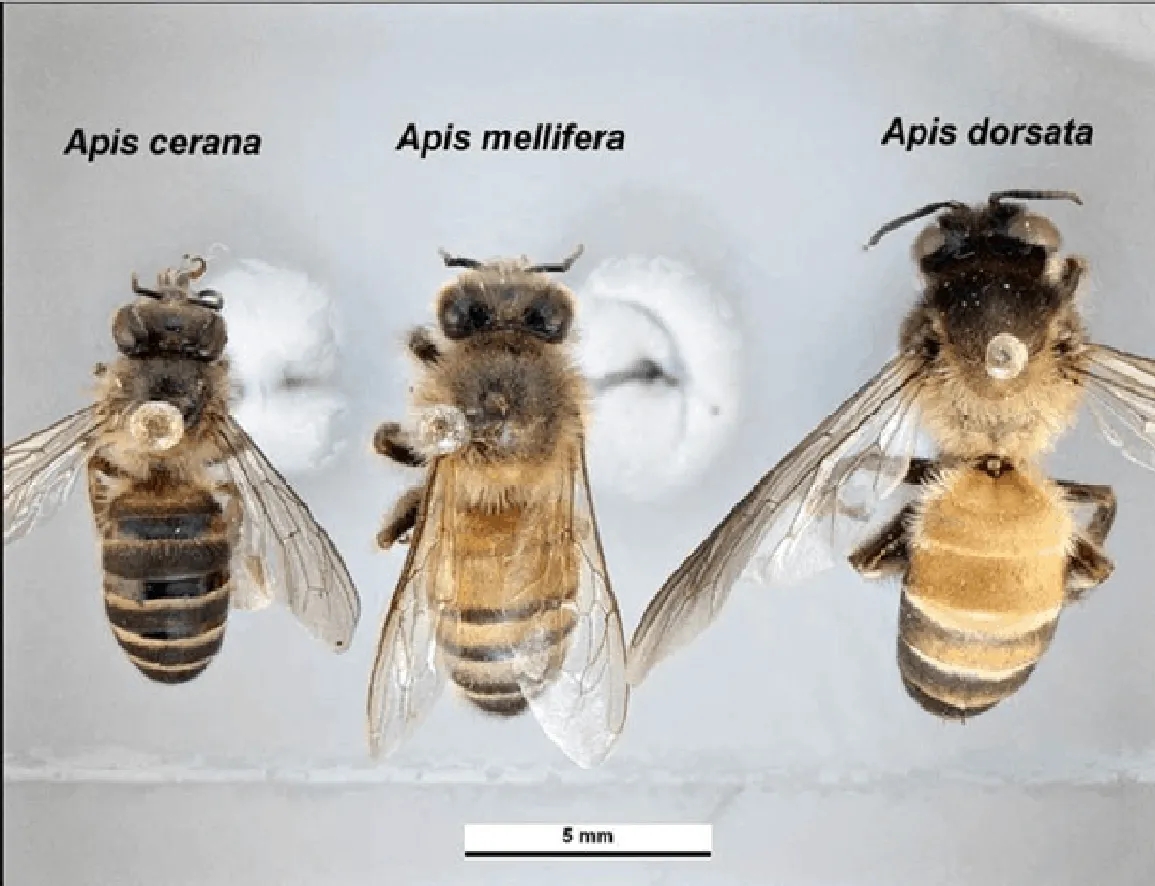
ANIMAL HUSBANDRY | NCERT CLASS-9 SCIENCE • CHAPTER-12 LIVESTOCK MANAGEMENT 1. CATTLE FARMING (Bos indicus & Bos bubalis) MILCH ANIMALS (Dairy) For milk production. Yield depends on Lactation Period. DRAUGHT ANIMALS (Labor) For agricultural work (ploughing, irrigation, and carting). CROSS-BREEDING OBJECTIVE Exotic Breeds (e.g. Jersey, Brown Swiss) Selected for long lactation periods. Local Breeds (e.g. Red Sindhi, Sahiwal) Selected for high disease resistance. CATTLE FEED REQUIREMENTS 1. Roughage: Largely fiber (coarse fodder). 2. Concentrates: Low fiber, high protein and other nutrients. 2. POULTRY FARMING (Eggs & Broilers) LAYERS (Egg Production) Raised for egg yield. Feeds focused on calcium/space allocation. BROILERS (Meat Production) Raised for meat extraction. Feeds rich in Protein + Vitamins A and K. CROSS-BREEDING (Aseel × Leghorn) Indigenous (Aseel) + Exotic (Leghorn) breeds crossed for: Number & quality of chicks Dwarf broiler parents (low feed cost) Summer tolerance capacity Low maintenance requirements SANITATION & BIOLOGICAL CONTROL Requires regular disinfection, proper ventilation, and timely vaccination. 3. FISH PRODUCTION (Aquaculture & Fisheries) CAPTURE FISHERY Harvested from natural water sources. CULTURE FISHERY (Fish Farming) Cultivated in controlled ponds. COMPOSITE FISH CULTURE SYSTEM (5-6 Species) SURFACE LAYER Catlas (Feed on plankton) MIDDLE LAYER Rohus (Column feeders) BOTTOM LAYER Mrigals & Common Carps Grass Carps (Feed on weeds) SYSTEM ADVANTAGES No food resource competition. Complete nutrient utilization. Seed Quality Problem: Fish breed only in monsoon. Solved using hormonal stimulation to breed fish in captivity. 4. BEE-KEEPING (Apiculture for Honey & Wax) SPECIES SELECTION Local/Indian Species: • Apis cerana indica (Indian Bee) • Apis dorsata (Rock Bee) • Apis florea (Little Bee) Exotic / Italian Species: Apis mellifera Very high honey collection yield. Stings less; stays in hive longer. Breeds extremely well. IMPORTANCE OF PASTURAGE The value and quality of honey is directly dependent on pasturage: PASTURAGE VALUE Flowers available for nectar/pollen. TASTE PROFILE Determined by specific flower flora.
📖 Introduction
📌 Objectives of Animal Husbandry
🌟 Importance of Animal Husbandry
🗂️ Major Branches of Animal Husbandry
  • Dairy Farming Dairy farming involves the scientific rearing and management of milk-producing animals such as cows and buffaloes. The main objective is to obtain high-quality milk and dairy products by providing balanced feed, proper housing, disease control, and selective breeding.
    • Main animals: Cows and buffaloes.
    • Major products: Milk, butter, cheese, curd, paneer, ghee, and cream.
    • Good breeds produce more milk with proper nutrition and healthcare.
    • Regular vaccination and hygienic milking practices improve milk quality.
  • Poultry Farming Poultry farming refers to the rearing of domestic birds for the commercial production of eggs and meat. Scientific poultry farming includes proper housing, balanced nutrition, disease prevention, and improved breeding techniques.
    • Main birds: Chicken, duck, turkey, quail, and goose.
    • Major products: Eggs and meat.
    • Provides a rich source of animal protein.
    • One of the fastest-growing sectors of animal husbandry.
  • Fisheries Fisheries deal with the breeding, rearing, harvesting, processing, and marketing of fish and other aquatic organisms. Fish may be obtained through natural fishing or by scientific fish farming (aquaculture).
    • Includes freshwater and marine fisheries.
    • Main products: Fish, prawns, crabs, oysters, and other seafood.
    • Fish are rich in proteins, vitamins, minerals, and omega-3 fatty acids.
    • Provides employment and contributes significantly to the economy.
  • Apiculture Apiculture is the scientific rearing and management of honeybees in specially designed wooden boxes called beehives. Besides producing honey and beeswax, honeybees play an important role in pollination, thereby increasing agricultural productivity.
    • Main products: Honey, beeswax, royal jelly, pollen, and propolis.
    • Improves pollination and increases crop yield.
    • Requires relatively low investment and small land area.
    • Provides additional income to farmers.
  • Sheep and Goat Rearing Sheep and goats are reared for multiple purposes such as the production of wool, meat, milk, leather, and manure. They are well adapted to dry and semi-arid regions where crop cultivation is limited.
    • Sheep are mainly reared for wool and meat.
    • Goats are reared for milk, meat, and leather.
    • Require comparatively less investment than large livestock.
    • Provide regular income to rural farmers.
📎 Good Animal Management Practices
  • Provide balanced and nutritious feed.
  • Ensure clean drinking water at all times.
  • Maintain clean, hygienic, and well-ventilated shelters.
  • Vaccinate animals regularly against diseases.
  • Protect animals from parasites and infections.
  • Adopt scientific breeding techniques for better productivity.
🔧 Animal Products and Their Uses
Animal Main Product
Cow and Buffalo Milk and manure
Goat Milk, meat, and leather
Sheep Wool and meat
Poultry Birds Eggs and meat
Honeybees Honey and beeswax
Fish Protein-rich food
🧠 Remember This
⚡ Exam Tip
🌾

Key Requirements for Animal Husbandry

🗺️ Overview
The productivity and health of livestock depend upon proper scientific management. Animals produce more milk, meat, eggs, wool, honey, and other useful products only when they receive balanced nutrition, suitable housing, proper healthcare, and scientific breeding. Therefore, successful animal husbandry requires careful attention to the following essential practices.
  • 1. Proper Nutrition
    Animals require a balanced and nutritious diet for healthy growth, reproduction, disease resistance, and high productivity.
    • Feed should contain carbohydrates, proteins, fats, vitamins, minerals, and adequate roughage.
    • Clean and sufficient drinking water should always be available.
    • Balanced nutrition improves milk yield, egg production, growth rate, and reproductive efficiency.
    • Young, pregnant, and lactating animals require additional nutrients.

  • 2. Suitable Shelter
    Proper housing protects animals from extreme weather conditions, predators, parasites, and infectious diseases.
    • Animal shelters should be clean, dry, spacious, and well-ventilated.
    • Proper drainage and sanitation help prevent disease outbreaks.
    • Animals should have sufficient space for movement and resting.
    • Clean surroundings reduce stress and improve productivity.

  • 3. Health Care
    Healthy animals produce better-quality products and remain productive for a longer period. Regular veterinary care is therefore essential.
    • Regular vaccination protects animals from infectious diseases.
    • Periodic veterinary check-ups help detect diseases at an early stage.
    • Proper hygiene prevents bacterial, viral, fungal, and parasitic infections.
    • Timely treatment and isolation of sick animals prevent the spread of diseases.
    • Regular deworming improves animal health and growth.

  • 4. Scientific Breeding
    Scientific breeding aims to develop improved livestock with desirable characteristics such as high milk production, rapid growth, disease resistance, and better adaptability.
    • Select healthy and high-yielding parent animals.
    • Use selective breeding and cross-breeding to improve desirable traits.
    • Maintain pure breeds where necessary.
    • Adopt modern breeding techniques under veterinary supervision.
✅ Benefits of Scientific Animal Husbandry
  • Increases the production of milk, eggs, meat, wool, fish, and honey.
  • Produces healthier and disease-resistant livestock.
  • Improves the quality of animal products.
  • Provides regular employment and income to farmers.
  • Supports sustainable and integrated farming systems.
  • Strengthens national food security and rural development.
📝 Summary of Essential Requirements
🧠 Remember This
🌟 Role of Animal Husbandry in Modern Agriculture
⚡ Exam Tip
🌾

Cattle Farming

🎨 SVG Diagram
Cattle Farming
CATTLE FARMING | NCERT CLASS‑9 SCIENCE • CHAPTER‑12 LIVESTOCK MANAGEMENT 1. TYPES & PURPOSES Milch & Draught animals serve distinct farm roles. MILCH ANIMALS (Dairy) - Primary source of milk for dairy products. - Yield depends on lactation period & proper feeding. - Common breeds: *Bos indicus* (Sahiwal) & *Bos taurus* (Jersey). DRAUGHT ANIMALS (Labor) - Used for ploughing, irrigation, carting. - Must possess stamina and strength. - Typical breeds: *Bos indicus* (Red Sindhi, Sahiwal). 2. CROSS‑BREEDING & NUTRITION Improving productivity through genetic and feed strategies. CROSS‑BREEDING OBJECTIVE Exotic Breeds e.g., Jersey, Brown Swiss – long lactation, higher milk fat. Local Breeds e.g., Sahiwal, Red Sindhi – disease resistant, adaptable. NUTRITIONAL REQUIREMENTS 1. Roughage (Fiber) - Coarse fodders: hay, straw, crop residues. 2. Concentrates (Energy & Protein) - Grains, oilseed cakes, commercial concentrate mixes. Balanced ration improves milk yield & draught stamina. Key Takeaway: Integrated breed selection & proper nutrition boost cattle productivity, supporting food‑resource improvement.
📖 Introduction
📌 Objectives of Cattle Farming
🗂️ Types of Cattle
Based on their primary use, cattle are broadly classified into two main categories.
Milch (Dairy) Animals
Milch animals are reared mainly for milk production. These animals possess well-developed udders and high milk-yielding capacity.
  • Produce large quantities of milk.
  • Require balanced nutrition and regular veterinary care.
  • Selected through scientific breeding programmes.
Important Indigenous Breeds
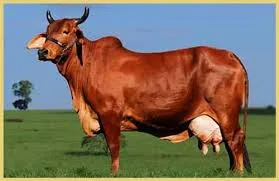
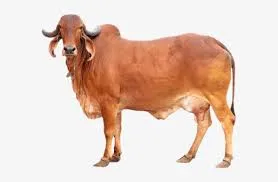
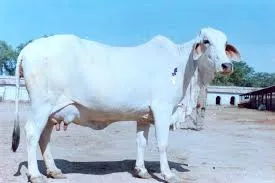
  • Sahiwal
  • Red Sindhi
  • Gir
  • Tharparkar
Popular Exotic Breeds
  • Jersey
  • Holstein Friesian (HF)
Draught Animals
Draught animals are primarily used for agricultural and transport activities rather than milk production. They possess strong muscles, sturdy legs, and high endurance.
  • Used for ploughing fields.
  • Draw carts and transport agricultural produce.
  • Operate traditional irrigation devices.
  • Useful in hilly and rural areas where machinery is less accessible.
Examples
Bullocks, oxen, and male buffaloes.
🗒️ Indigenous Breeds
Sahiwal cattle breed
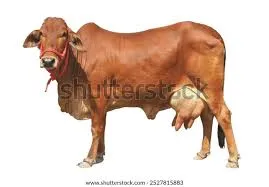
Sahiwal: One of India's best indigenous dairy breeds, known for high milk production and excellent heat tolerance.
Red Sindhi cattle breed
Red Sindhi: A high-yielding indigenous dairy breed widely used for milk production in tropical regions.
Gir cattle breed
Gir: Famous dairy breed from Gujarat with high disease resistance and excellent adaptability.
Tharparkar cattle breed
Tharparkar: A dual-purpose breed valued for both milk production and draught work in arid regions.
📌 Essential Practices in Cattle Farming
⚖️ Comparison of Milch and Draught Animals
Feature Milch Animals Draught Animals
Main Purpose Milk production Agricultural work and transport
Physical Characteristics Well-developed udder Strong muscles and sturdy body
Examples Sahiwal, Gir, Red Sindhi, Jersey, Holstein Friesian Bullocks, oxen, male buffaloes
🧠 Remember This
⚡ Exam Tip
🌾

Important Breeds of Cattle in India

📖 Introduction
🗂️ Types of breeds of Cattle in India
Indigenous (Indian) Breeds
Indigenous breeds are native to India and are well adapted to the country's tropical climate. They are highly resistant to diseases, tolerate high temperatures, and can survive on comparatively poor-quality fodder.
Major Indigenous Breeds
Breed Native Region Important Characteristics
Sahiwal Punjab One of the best dairy breeds with high milk yield and excellent heat tolerance.
Gir Gujarat High milk production, disease resistance, and adaptability.
Red Sindhi Sindh region (now in Pakistan) Good dairy breed suitable for tropical climates.
Tharparkar Rajasthan Dual-purpose breed used for both milk production and draught work.
Exotic (Foreign) Breeds
Exotic breeds originate from countries with temperate climates. They are known for their exceptionally high milk production but generally require better nutrition, scientific management, and veterinary care.
Major Exotic Breeds
Breed Country of Origin Important Characteristics
Holstein Friesian (HF) Netherlands One of the world's highest milk-producing dairy breeds.
Jersey Jersey Island (United Kingdom) Produces milk with high butterfat content and adapts well to tropical regions.
Brown Swiss Switzerland Known for good milk production, strong body, and long productive life.
Crossbreeds
Crossbreeds are developed by mating indigenous and exotic cattle to combine the desirable qualities of both. They usually possess the high milk-producing ability of exotic breeds along with the disease resistance and adaptability of Indian breeds.
Advantages of Crossbreeding
  • Higher milk production.
  • Better adaptability to Indian climatic conditions.
  • Improved disease resistance.
  • Better feed conversion efficiency.
  • Greater economic returns for dairy farmers.
Example
Karan Fries, Karan Swiss, Frieswal, and various Jersey crossbreeds.
🤔 Why Indigenous Breeds Are Important
  • Highly resistant to many tropical diseases.
  • Can tolerate high environmental temperatures.
  • Require comparatively less maintenance.
  • Well adapted to Indian climatic conditions.
  • Useful for sustainable livestock farming.
⚖️ Quick Comparison of Cattle Breeds
Feature Indigenous Breeds Exotic Breeds Crossbreeds
Origin India Foreign countries Indigenous × Exotic
Milk Yield Moderate Very high High
Disease Resistance High Moderate Better than exotic breeds
Adaptability Excellent in Indian climate Limited in tropical climate Very good
🧠 Remember This
⚡ Exam Tip
🌾

Cattle Shelter and Feeding

🗺️ Overview
Proper housing and balanced nutrition are the two most important requirements for healthy and productive cattle. Scientific management of cattle shelters and feeding practices improves milk production, prevents diseases, enhances reproductive performance, and increases the overall lifespan of animals.
Proper Cattle Shelter
A well-designed cattle shed protects animals from excessive heat, cold, rain, predators, and disease-causing organisms. Comfortable housing reduces stress and improves milk production.
🗒️ Characteristics of an Ideal Cattle Shed
📌 Balanced Feeding
📎 Health and Disease Management
Healthy cattle produce more milk, remain productive for longer periods, and provide better economic returns. Preventive healthcare is therefore an essential part of scientific cattle farming.
Important Health Care Practices
  • Regular veterinary health check-ups.
  • Timely vaccination against infectious diseases.
  • Periodic deworming to control internal parasites.
  • Maintaining clean sheds and hygienic surroundings.
  • Providing clean feed and drinking water.
  • Immediate treatment of sick animals.
  • Isolation (quarantine) of infected animals to prevent disease spread.
🚨 Common Cattle Diseases
🚧 Caution
Disease Preventive Measure
Foot-and-Mouth Disease (FMD) Regular vaccination and isolation of infected animals.
Anthrax Vaccination and proper sanitation.
Brucellosis Testing, vaccination, and hygienic breeding practices.
Mastitis Clean milking practices and proper udder hygiene.
🗒️ Breeding And Milk Production
Scientific breeding programmes aim to develop healthy, high-yielding cattle with superior genetic characteristics. Modern breeding techniques have significantly increased milk production in dairy animals.
Objectives of Scientific Breeding
  • Increase milk yield.
  • Improve disease resistance.
  • Develop better reproductive efficiency.
  • Produce animals with strong body structure and adaptability.
Artificial Insemination (AI)
Artificial insemination is a modern breeding technique in which semen collected from a superior bull is introduced into the reproductive tract of a healthy female using scientific methods.
Advantages
  • Produces genetically superior offspring.
  • Improves milk production.
  • Reduces the spread of reproductive diseases.
  • Allows rapid improvement of cattle breeds.
Good Milking Practices
  • Provide balanced feed after calving.
  • Maintain proper udder hygiene before and after milking.
  • Milk animals at fixed timings every day.
  • Store milk under clean and hygienic conditions.
🔧 Uses of Cattle
  • Milk and Dairy Products
    Cattle provide nutritious milk, which is processed into curd, butter, paneer, cheese, cream, and ghee.
  • Draught Power
    Bullocks and oxen are traditionally used for ploughing fields, drawing carts, operating irrigation devices, and transporting agricultural produce.
  • Organic Manure
    Cow dung is an excellent organic manure that improves soil fertility. It is also used for producing biogas and as a domestic fuel in many rural areas.
  • Industrial Uses
    Hides, skins, bones, and horns are used in leather, pharmaceutical, and handicraft industries.
🌟 Importance of Scientific Cattle Farming
📝 Quick Summary
🧠 Remember
⚡ Exam Tip
🌾

Poultry Farming

🎨 SVG Diagram
Poultry Farming
POULTRY FARMING Healthy Birds • More Eggs • Better Meat Production
📖 Introduction
🗂️ Breeds of Poultry
Poultry breeds are broadly classified according to their primary purpose of production.
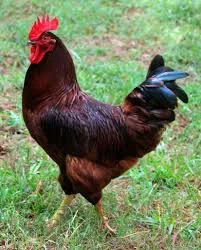
Rhode Island Red poultry breed
Rhode Island Red

A dual-purpose breed valued for both exceptional egg production and quality meat.

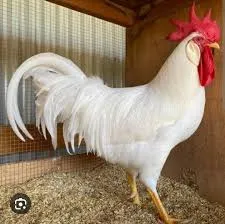
White Leghorn poultry breed
White Leghorn

One of the world's finest egg-laying breeds, widely celebrated for high productivity.

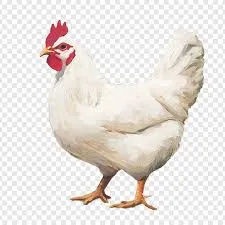
Broiler chicken
Broiler Chicken

A fast-growing, heavy-set poultry bird reared primarily for premium meat production.

Layers
Layers are poultry birds specially reared for egg production. They are selected for their ability to lay a large number of eggs over a long period.
  • Begin laying eggs at about 20 weeks of age.
  • Continue egg production for nearly two years.
  • Require balanced feed rich in proteins, vitamins, minerals, and especially calcium for strong eggshell formation.
  • Proper lighting and disease control improve egg production.
Common Layer Breeds
  • White Leghorn
  • Rhode Island Red
Broilers
Broilers are poultry birds specially bred for meat production. They grow rapidly and convert feed into body weight efficiently.
  • Ready for marketing within 6–8 weeks.
  • Require protein-rich and energy-rich balanced feed.
  • Need proper temperature, ventilation, and hygiene for rapid growth.
  • Produce soft, tender, and nutritious meat.
🔷 Characteristics of Good Poultry Breeds
🔷 Characteristics
  • Rapid growth rate.

  • High egg-laying or meat-producing capacity.

  • Efficient feed conversion.

  • Good disease resistance.

  • Adaptability to local climatic conditions.

  • Low mortality and healthy reproductive performance.

⚖️ Comparison of Layers and Broilers
Feature Layers Broilers
Main Purpose Egg production Meat production
Marketing Age Start laying at about 20 weeks Ready in 6–8 weeks
Feed Requirement Balanced diet rich in calcium and minerals Protein-rich and energy-rich diet
Common Breeds White Leghorn, Rhode Island Red Commercial broiler strains
🧠 Remember This
⚡ Exam Tip
🌾

Requirements for Poultry Farming

🗒️ Intorduction
Successful poultry farming depends upon proper scientific management of birds throughout their life cycle. Healthy birds grow faster, produce more eggs or meat, and remain resistant to diseases. Proper housing, balanced nutrition, hygiene, disease prevention, and environmental management are therefore essential for profitable poultry farming.
  1. Housing
    Poultry birds require comfortable, clean, and well-designed shelters that protect them from harsh weather, predators, and disease-causing organisms.
    • Provide clean, dry, and well-ventilated poultry houses.
    • Protect birds from excessive heat, cold, rain, and strong winds.
    • Ensure adequate sunlight and proper air circulation.
    • Maintain sufficient floor space to prevent overcrowding.
    • Keep poultry houses safe from rats, snakes, and other predators.
  2. Balanced Feeding
    Poultry birds require a nutritious and balanced diet for healthy growth, rapid weight gain, and high egg production.
    • Feed should contain carbohydrates, proteins, fats, vitamins, and minerals.
    • Layers require additional calcium for strong eggshell formation.
    • Broilers require protein-rich and energy-rich feed for rapid growth.
    • Provide clean and fresh drinking water throughout the day.
  3. Hygiene and Health Care
    Disease prevention is one of the most important aspects of poultry farming because infections spread rapidly among birds.
    • Clean poultry houses, feeders, and drinkers regularly.
    • Vaccinate birds against common diseases.
    • Isolate sick birds immediately to prevent disease transmission.
    • Dispose of poultry waste scientifically to maintain sanitation.
    • Conduct regular veterinary health check-ups.
    Common Poultry Diseases
    • Fowl pox
    • Bird flu (Avian influenza)
    • Ranikhet disease (Newcastle disease)
  4. Management Practices
    Proper management ensures maximum productivity and minimizes stress among birds.
    • Maintain optimum temperature according to the age of birds.
    • Provide adequate lighting to stimulate egg production in layers.
    • Avoid overcrowding by maintaining proper spacing.
    • Supply clean water and feed at regular intervals.
    • Maintain proper records of growth, egg production, vaccination, and mortality.
✅ Advantages of Poultry Farming
  • Provides a continuous supply of nutritious eggs and meat.
  • Requires comparatively less land, investment, and labour than large livestock farming.
  • Generates employment and additional income for rural and small-scale farmers.
  • Birds grow rapidly, providing quick economic returns.
  • Poultry manure is an excellent organic fertilizer for crop cultivation.
  • Supports food security by supplying affordable animal protein.
  • Contributes significantly to the agricultural and national economy.
🌟 Essential Requirements for Successful Poultry Farming
🗒️ Remember This
  • Clean housing and balanced nutrition are the keys to successful poultry farming.
  • Layers need extra calcium, whereas broilers require protein-rich feed.
  • Vaccination protects birds from diseases such as fowl pox, Ranikhet disease, and bird flu.
  • Proper lighting and temperature improve egg production and bird growth.
  • Poultry manure is a valuable organic fertilizer.
🗒️ Role Of Poultry Farming In Food Resources
Poultry farming plays a vital role in improving food resources by supplying affordable, protein-rich eggs and meat to the growing population. It is one of the most efficient forms of animal husbandry because birds mature quickly, reproduce rapidly, and require comparatively less space and investment.

Scientific poultry management through improved breeds, balanced nutrition, proper housing, vaccination, and hygienic practices enhances productivity while reducing production costs. Consequently, poultry farming strengthens rural livelihoods, promotes sustainable agriculture, and contributes significantly to national food security and economic development.
⚡ Exam Tip
🌾

Egg and Broiler Production

🎨 SVG Diagram
Egg and Broiler Production
EGG & BROILER PRODUCTION Scientific Poultry Management for Eggs and Meat
📖 Introduction
📌 Egg Production (Layers)
📎 Factors Affecting Egg Production
  • Quality of breed.
  • Balanced feed.
  • Calcium-rich nutrition.
  • Proper lighting.
  • Good hygiene and disease prevention.
  • Suitable housing conditions.
📌 Broiler Production (Meat Purpose)
⚖️ Comparison Between Layers and Broilers
Feature Layers Broilers
Main Purpose Egg production Meat production
Age of Production Begin laying at 20 weeks Marketed at 6–8 weeks
Feed Requirement Rich in calcium and minerals High protein and energy
Lighting Requirement Essential for egg laying Less important than balanced feeding
Main Product Eggs Meat
🌟 Importance of Egg and Broiler Production
🧠 Remember This
⚡ Exam Tip
🌾

Fish Production

🎨 SVG Diagram
Fish Production
FISH PRODUCTION Fisheries • Aquaculture • Sustainable Food Resources
📖 Introduction
🌟 Importance of Fish Production
🗂️ Types / Category
Types of Fisheries
Fisheries are broadly classified into two major categories depending on the source of water.
Inland Fisheries (Freshwater Fisheries)
Inland fisheries include fish obtained from freshwater bodies such as rivers, ponds, lakes, reservoirs, canals, tanks, and dams. Fish farming in ponds is an important part of inland fisheries.
Examples of Freshwater Fish
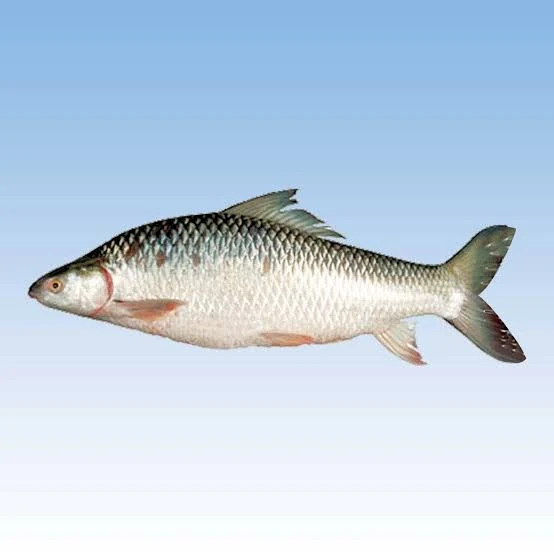
  • Catla
  • Rohu
  • Mrigal
Features
  • Practised in freshwater bodies.
  • Includes aquaculture and composite fish culture.
  • Suitable for rural fish farming.
Marine Fisheries
Marine fisheries involve catching fish from seas and oceans using mechanized boats, trawlers, and modern fishing vessels equipped with cold storage facilities.
Examples of Marine Fish
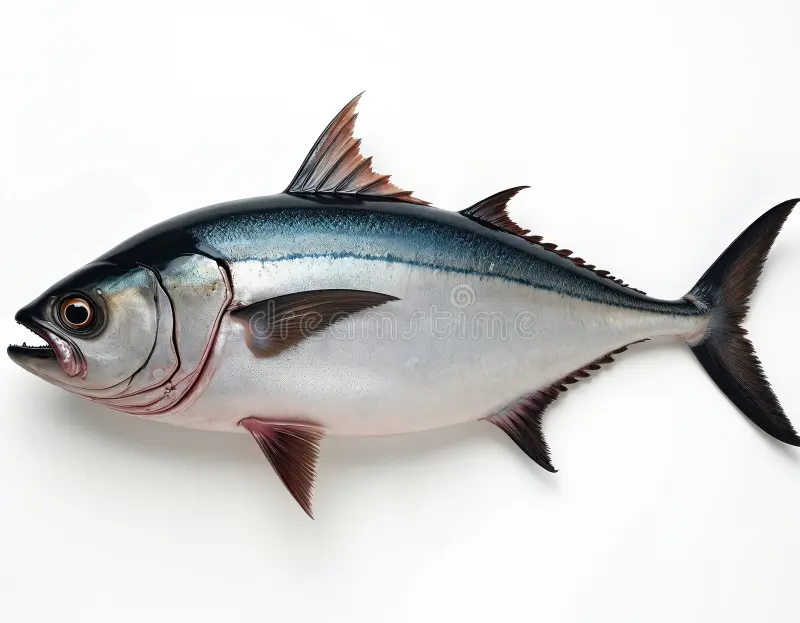
  • Tuna
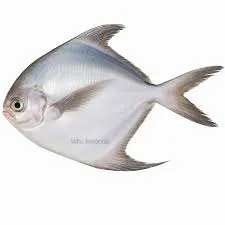
  • Pomfret
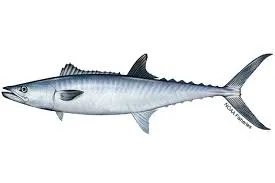
  • Mackerel
  • Hilsa
Features
  • Practised in seawater.
  • Large-scale commercial fishing.
  • Supports export industries.
✏️ Freshwater Fishes
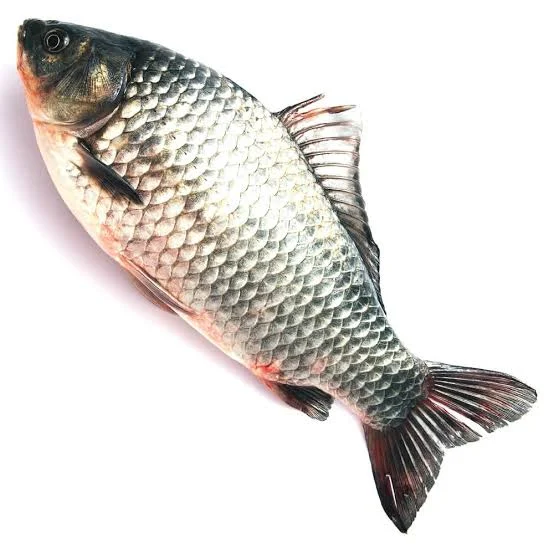
Catla Fish
Catla

A surface-feeding freshwater fish commonly used in composite fish culture.

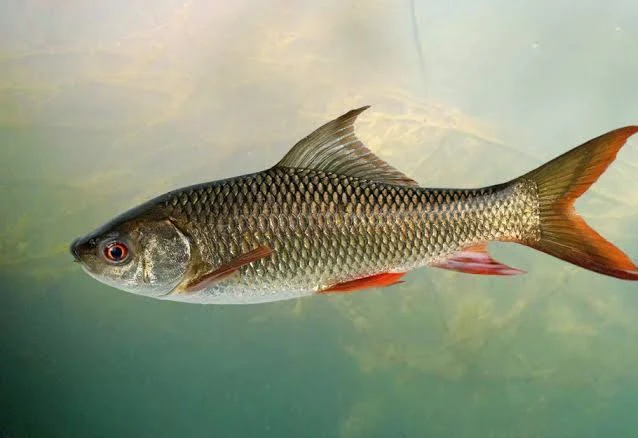
Rohu Fish
Rohu

A middle-feeding freshwater fish with high commercial value.

Mrigal Fish
Mrigal

A bottom-feeding freshwater fish widely cultivated in India.

✏️ Marine Fishes
Tuna Fish
Tuna

An important marine fish valued for its protein-rich meat.

Pomfret  Fish
Pomfret

A popular marine food fish with high commercial demand.

Mackerel Fish
Mackerel

A nutritious marine fish rich in proteins and healthy fats.

Hilsa Fish
Hilsa

One of India's most valuable commercial fish species.

📌 Culture Fishery (Aquaculture)
✅ Advantages of Composite Fish Culture
  • Efficient utilization of all food zones of the pond.
  • Higher fish production.
  • Reduced competition for food.
  • Better economic returns.
🌟 Essential Steps for Successful Fish Production
⚖️ Capture Fisheries vs Culture Fisheries
Feature Capture Fisheries Culture Fisheries
Source Natural water bodies Controlled ponds and tanks
Management Limited control Scientific management
Production Depends on natural availability Higher and more reliable production
💰 Benefits Of Fish Production
  • Provides nutritious protein-rich food.
  • Generates employment in rural and coastal areas.
  • Improves farmers' income.
  • Increases export earnings.
  • Utilizes ponds, reservoirs, and other water bodies efficiently.
  • Supports sustainable agricultural development.
🧠 Remember This
⚡ Exam Tip
🌾

Bee-Keeping (Apiculture)

🎨 SVG Diagram
Bee-Keeping (Apiculture)
BEE-KEEPING (APICULTURE) Honey Production • Pollination • Sustainable Agriculture
📖 Introduction
🌟 Importance of Bee-Keepin
📌 Common Species of Honeybees in India
⚡ Requirements For Successful Bee Keeping
  1. Suitable Bee Hives
    Strong and properly maintained wooden hives provide a safe environment for honeybee colonies and make honey collection easier.
  2. Availability of Flowering Plants
    Abundant flowering crops such as mustard, sunflower, eucalyptus, litchi, and fruit trees provide sufficient nectar and pollen throughout the season.
  3. Knowledge of Honeybee Behaviour
    Understanding colony organization, swarming, queen management, and seasonal activities helps in scientific bee management.
  4. Protection from Diseases and Pests
    Regular inspection protects colonies from wax moths, mites, ants, fungal infections, and other pests that reduce honey production.
  5. Suitable Climate
    Bee colonies perform best in areas with moderate climate, sufficient sunshine, and a continuous supply of flowering plants.
🍯 Products Obtained From Bee Keeping
Product Uses
Honey Nutritious natural sweetener, medicine, and energy-rich food.
Beeswax Manufacture of candles, cosmetics, ointments, polishes, and pharmaceuticals.
Royal Jelly Health supplements and medicinal preparations.
Propolis Medicinal and antimicrobial products.
Bee Pollen Nutritional and dietary supplements.
💰 Benefits Of Bee Keeping
  • Produces high-quality honey and beeswax.
  • Enhances pollination and increases crop productivity.
  • Requires comparatively low investment and small land area.
  • Provides additional employment and income to farmers.
  • Supports biodiversity and ecological balance.
  • Can be integrated with crop farming, horticulture, and forestry.
🌟 Important Honeybee Species
🧠 Remember
Remember This
⚡ Exam Tip
🌾

Important Points

⚡ Important Points
This chapter explains the scientific methods used to increase food production while maintaining soil fertility, protecting the environment, and ensuring sustainable agricultural development. The following points summarize the most important concepts frequently asked in CBSE Board examinations and competitive entrance tests.
  • Plant Nutrients: Plants require 16 essential nutrients for healthy growth. These nutrients are obtained from air, water, and soil.
  • Macronutrients: Nitrogen (N), Phosphorus (P), Potassium (K), Calcium (Ca), Magnesium (Mg), and Sulphur (S) are required in large quantities for plant growth and metabolism.
  • Micronutrients: Iron (Fe), Manganese (Mn), Zinc (Zn), Copper (Cu), Boron (B), Molybdenum (Mo), and Chlorine (Cl) are required in very small quantities but are equally essential for plant development.
  • Manure: Organic manure improves soil fertility, water-holding capacity, aeration, microbial activity, and long-term soil health.
  • Fertilizers: Chemical fertilizers provide nutrients rapidly and increase crop productivity when used in balanced quantities.
  • Organic Farming: Organic farming minimizes the use of chemical fertilizers, pesticides, and herbicides by using organic manures, biofertilizers, crop rotation, and biological pest control methods.
  • Mixed Farming: Mixed farming combines crop cultivation with livestock rearing on the same farm, ensuring better utilization of resources and higher income.
  • Mixed Cropping: Two or more crops are grown simultaneously on the same field to reduce the risk of complete crop failure.
  • Intercropping: Different crops are grown in a definite row pattern to improve resource utilization, reduce pest attacks, and increase productivity.
  • Crop Rotation: Different crops are grown successively on the same land to maintain soil fertility, reduce weeds, and control pests and diseases.
  • Varietal Improvement: Crop varieties are improved to obtain higher yield, better quality, resistance to diseases and environmental stresses, early maturity, and wider adaptability.
  • Crop Protection: Crops are protected from weeds, pests, and diseases using mechanical, biological, chemical, and integrated pest management (IPM) techniques.
  • Grain Storage: Proper drying, fumigation, and storage in silos, warehouses, or godowns prevent spoilage caused by insects, rodents, fungi, bacteria, and excess moisture.
  • Animal Husbandry: Scientific management of domestic animals includes proper breeding, feeding, shelter, healthcare, and disease prevention to improve productivity.
  • Cattle Farming: Cattle are reared for milk production, draught power, manure, and other useful products. Balanced nutrition, proper shelter, vaccination, and scientific breeding improve productivity.
  • Poultry Farming: Poultry farming involves rearing birds for egg production (layers) and meat production (broilers). Balanced nutrition, vaccination, hygiene, and scientific housing are essential.
  • Cross Breeding: Indigenous and exotic breeds are crossed to combine high productivity, disease resistance, and adaptability.
  • Fish Production: Fish are obtained through capture fisheries and culture fisheries (aquaculture) from both inland and marine water resources.
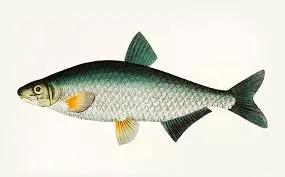
  • Inland Fisheries: Freshwater fish such as Catla, Rohu, and Mrigal are cultured in ponds, lakes, reservoirs, rivers, and canals.
  • Marine Fisheries: Marine fish such as Tuna, Pomfret, Mackerel, and Hilsa are obtained from seas and oceans using mechanized fishing boats equipped with modern technologies such as echo-sounders and satellite navigation.
  • Composite Fish Culture: Surface feeders (Catla), middle feeders (Rohu), and bottom feeders (Mrigal) are cultured together to utilize all food zones efficiently and increase fish production.
  • Bee-Keeping (Apiculture): Bee-keeping is the scientific rearing of honeybees for obtaining honey, beeswax, royal jelly, propolis, and improving crop pollination.
  • Importance of Pollination: Honeybees increase fruit, seed, and crop yield through cross-pollination, making apiculture beneficial for agriculture as well as the environment.
  • Sustainable Agriculture: Scientific farming practices increase food production while conserving soil, water, biodiversity, and environmental quality for future generations.
🌟 Most Important Facts to Remember
📝 One-Page Revision Table
⚡ Board & Competitive Exam Focus
· Updated
NCERT • Class IX • Science • Chapter 12
Improvement in Food Resources

Crop Production Management · Variety Improvement · Animal Husbandry · Sustainable Food Security for a Growing Nation

🌾 Crop Variety 💧 Irrigation 🧪 Nutrient Management 🐄 Animal Husbandry 🐟 Fisheries & Apiculture

The Three Pillars of Food Production

India's population keeps growing, yet farmland is limited. To feed everyone without endlessly expanding farmland, we must get more food from the same land and animals. This chapter rests on three pillars that work together, not in isolation:

Improvement in Food Resources Crop Variety Improvement Better genetics: yield, quality, disease Crop Production Management Nutrients, irrigation, cropping patterns Crop Protection Management Weeds, pests, storage losses Alongside this, Animal Husbandry improves milk, poultry, fish and honey yields.

A useful way to remember the goal: "Same land, same animals, same water — but scientifically managed, they can give far more." This is the essence of sustainable agriculture: raising output while protecting soil fertility and the environment for future harvests.

Mixed Farming vs Sustainable Agriculture: Mixed farming combines crop growing with animal husbandry on the same farm. Sustainable agriculture goes further — it insists that whatever methods are used, they must not exhaust the soil, poison water bodies, or reduce biodiversity for the next generation.

Improving Crop Varieties

Crop variety improvement means deliberately breeding new varieties that are genetically better than the old ones. Breeders select parent plants for desirable traits and combine them, mainly through hybridization (crossing two different varieties) and introduction of genetic material from another variety or species.

Hybridization — Crossing for Better Genes Intervarietal (same species, diff. varieties) Interspecific (two different species, same genus) Intergeneric (different genera crossed) Introduction: a variety grown elsewhere is brought in and released directly, e.g. Mexican dwarf wheat.

Breeders chase several traits at once, and NCERT groups these desirable characters as follows:

  • Higher yield — more grain, fruit or fibre per hectare.
  • Improved quality — e.g. baking quality in wheat, protein in pulses, oil content in oilseeds, storage in vegetables.
  • Biotic and abiotic resistance — resistance to diseases and pests (biotic), and tolerance to drought, salinity, waterlogging, heat, cold and frost (abiotic).
  • Change in maturity duration — shorter duration allows more crop cycles a year and saves on inputs; uniform maturity helps mechanical harvesting.
  • Wider adaptability — a variety that performs well across different climates and soils, helping stabilise production nationwide.
  • Desirable agronomic characteristics — e.g. tallness and branching in fodder crops, dwarfism in cereals (so more energy goes into grain, not stem, and lodging — falling over — is reduced).
Anchor example: Semi-dwarf wheat and rice varieties from the Green Revolution (1960s onward) combined high yield with short sturdy stems that would not lodge under the weight of heavy grain — a textbook case of agronomic-trait breeding.

Nutrient Management: Manures, Fertilisers & Organic Farming

Like all living things, plants need nutrients. Air and water supply carbon, hydrogen and oxygen; soil must supply the remaining 16 essential nutrients. Of these, 13 come from soil — 6 in large quantity (macronutrients: N, P, K, Ca, Mg, S) and 7 in small quantity (micronutrients: Fe, Mn, B, Zn, Cu, Mo, Cl).

MANURE FERTILISER Organic, from decomposed plant/animal waste Bulky · few nutrients Improves soil structure, water holding & humus Adds organic matter & friendly soil organisms Types: FYM, compost, vermicompost, green manure Commercially produced, nutrient-rich (N, P, K) Concentrated · quick acting Does NOT replenish organic matter or soil organisms Overuse harms soil & pollutes water (eutrophication) Types: Urea, DAP, NPK, MOP

Because chemical fertilisers, though yield-boosting, degrade soil health and pollute water bodies when overused, NCERT stresses organic farming: a system using organic manure, biofertilisers, crop rotation, mixed cropping and biological pest control to raise crops with minimum or zero use of chemical inputs.

  • Green manure: fast-growing plants like Sesbania (dhaincha) grown and ploughed back into soil before flowering, enriching it with nitrogen and organic matter.
  • Biofertilisers: living organisms (e.g. Rhizobium, blue-green algae) that enrich soil with nutrients, particularly nitrogen, without any chemical input.
  • Benefits of organic farming: uses farm, animal and plant waste usefully; reduces or removes chemical use; supports natural nutrient recycling; often more resilient to weather stress.
Why not fertiliser alone? Continuous, imbalanced use of the same fertiliser can make soil deficient in other nutrients, disturb soil texture, and, when washed into rivers and lakes, cause excessive algal growth (eutrophication) that starves aquatic life of oxygen.

Irrigation and Cropping Patterns

Irrigation is the timely and adequate supply of water to crops. Sources include wells (dug & tube wells), canals, river lift systems, tanks, and modern devices like sprinkler and drip systems that use water far more efficiently than flood irrigation, which is essential in water-scarce regions.

Cropping Patterns — Making the Most of One Field Mixed Cropping 2+ crops sown together, seeds mixed Insures against total crop failure Intercropping 2+ crops in a definite row pattern Optimum use of nutrients in same land Crop Rotation Different crops grown in planned sequence over time Restores soil fertility

In mixed cropping, farmers choose crops with different water/nutrient needs (e.g. wheat + gram, groundnut + pigeon pea) so that if one fails due to weather, the other still yields something. Intercropping is deliberately geometric — e.g. alternating rows of soybean and maize — enabling efficient machine sowing, harvesting, and fertiliser use, while pest spread is naturally limited.

Crop rotation uses the residual soil moisture and fertility left by the previous crop. Growing a legume (which fixes nitrogen via root-nodule bacteria) after a cereal restores soil nitrogen, cutting the need for fertiliser in the next cycle. Rotation may be short-duration (two crops a year) or long-duration (spanning 2–3 years) depending on the region and irrigation availability.

Crop Protection: Weeds, Pests & Storage

Weeds are unwanted plants (e.g. Xanthium, Parthenium) growing along with the crop that compete for light, nutrients, water and space, reducing yield. They are controlled by:

  • Preventive methods: proper seed-bed preparation, timely sowing, crop rotation, using weed-free seed.
  • Mechanical removal: hand weeding, mechanical tilling before weeds seed.
  • Chemical control: weedicides such as 2,4-D, sprayed at appropriate stage & concentration — but timing matters, since spraying too late or too early is less effective and can harm the crop.

Pests attack crops in three broad ways — NCERT's own classification is worth memorising exactly:

Cut the root/stem/leaf Plant cannot draw water & nutrients Suck cell sap From leaves, stem, grains — weakens plant Bore into fruit/stem Damages internal tissue and produce

Control methods mirror weed control: resistant varieties, correct agronomic practices (proper sowing time, intercropping, crop rotation), mechanical/biological control (using natural predators), and chemical control (pesticides), applied only when the pest population crosses an economic threshold — spraying blindly kills useful insects too.

Storage losses: stored grain is attacked by biotic factors (insects, rodents, fungi, mites, bacteria) and abiotic factors (inappropriate moisture and temperature during storage). Losses show up as weight loss, poor germination, discolouration, altered nutrition and reduced grade. Prevention: clean and dry the produce properly before storage (moisture control is the single biggest lever), fumigate storage structures, and use both preventive and control measures against pests.

Animal Husbandry

Animal husbandry is the scientific management of livestock, covering feeding, breeding, disease control and housing to raise production of milk, eggs, meat, wool, honey and draught labour.

Branches of Animal Husbandry Cattle Farming Milch (dairy) & draught animals Breeding, feeding, disease control, shelter Poultry Farming Egg & broiler production Cross-breeding for hardiness + yield Fisheries Marine & inland (composite culture) Capture & culture fisheries Apiculture Bee-keeping for honey & wax Also pollinates crops
  • Cattle farming distinguishes milch (dairy) animals, bred for a long lactation period and high milk yield, from draught animals, bred for strength and stamina in farm labour. Exotic (foreign) breeds like Jersey give high milk yield but low disease resistance; indigenous (local) breeds like Sahiwal are hardier. Cross-breeding combines high yield with resistance.
  • Poultry farming raises birds for eggs (layers) and meat (broilers). Cross-breeding programmes (e.g. between Indian and exotic breeds) aim for more chicks, egg quality, feed efficiency and low mortality, with proper housing, temperature control and hygiene.
  • Fish production includes capture fisheries (catching wild fish from sea/rivers) and culture fisheries or aquaculture (rearing fish under controlled conditions). Composite fish culture uses both local and imported species together in a single pond, chosen so each occupies a different feeding zone (surface, middle, bottom) with minimal competition.
  • Bee-keeping (apiculture) gives honey and wax with low investment. Good bee variety, availability of pasturage (flowers) and correct management of beehives during flower and dearth seasons increase honey yield. Bees also boost crop yield through pollination.

AI Step-by-Step Solver 100% Client-Side · Rule-Based · No API

Pick a problem type. The solver walks through the exact steps NCERT expects — no numbers are hidden, every formula used is shown.

Choose a problem type, fill in the values and press Solve Step-by-Step to see the full working here.

Key Formulas & Quantitative Relations

Chapter 12 is largely conceptual, but NCERT-based numericals and applied reasoning use these relations. Keep this page open while solving.

% Increase in Yield
% Increase = New Yield − Old YieldOld Yield × 100
Used to compare a new variety / practice against the traditional one.
Cropping Intensity
Cropping Intensity = Total Cropped AreaNet Sown Area × 100%
Measures how many times land is cropped in a year; multiple cropping raises it above 100%.
Feed Conversion Ratio (FCR)
FCR = Feed Consumed (kg)Weight Gain (kg)
Lower FCR = more efficient feed use; important in poultry & fish farming.
Hen-Day Egg Production
Hen-Day % = Eggs Laid in PeriodAverage No. of Hens × Days × 100
Standard poultry-industry productivity indicator.
Ideal Compost C:N Ratio
Ideal Range ≈ 25:1 to 30:1
Ratio of Carbon-rich to Nitrogen-rich material for fast, efficient composting.
Concentrate : Roughage (Cattle Feed)
Maintenance ≈ 1:3  |  Lactation ≈ 1:1
Higher concentrate share is needed during milk production for extra energy demand.
NPK Nutrient Share in a Fertiliser
Nutrient (kg) = %age × Bag Weight100
e.g. a 50 kg bag labelled 20:20:0 (N:P:K) has 10 kg N and 10 kg P₂O₅.
Fish Stocking Density
Stocking Density = Number of Fish StockedPond Area (m² or ha)
Composite culture raises effective density by using species from different water zones.

Tips & Tricks for Exams

🧠
Mnemonic for the 3 Pillars

"Variety, Production, Protection" — VPP, in that order. Every improvement measure NCERT lists falls under one of these three.

🧠
Manure vs Fertiliser, one line

Manure = bulk + soil health. Fertiliser = concentrated + quick nutrient shot. If a question mentions "improves soil structure," the answer is manure; "supplies nutrients rapidly in large quantity," it's fertiliser.

🧠
Mixed Cropping vs Intercropping

No visible pattern = mixed cropping (seeds mixed before sowing). Definite row pattern = intercropping. If the question shows a diagram with alternating rows, it's intercropping every time.

🧠
Pest damage — 3 verbs

Cut, Suck, Bore. If a question describes shrivelled/weak leaves without visible holes, think sap-suckers (aphids). Visible holes in stem/fruit → borers.

🧠
Exotic vs Indigenous breed

Exotic = imported, high-yielding, low local disease resistance (e.g. Jersey cattle). Indigenous = local, hardy, resistant, moderate yield (e.g. Sahiwal). Cross-breeding aims to combine both advantages.

🧠
Diagram-based questions

When asked to label a composite fish culture pond, remember: surface feeders, column feeders and bottom feeders are chosen together precisely so they don't compete for the same food or space.

🧠
"Sustainable" keyword

Anytime a question uses the word "sustainable," your answer must mention long-term soil/water health, not just higher output. Pure yield-maximising answers lose marks on such questions.

🧠
Assertion-Reason strategy

If the Assertion says "fertilisers increase yield" and the Reason says "they replenish organic matter" — the Reason is false. Fertilisers do NOT add organic matter; only manure does. A frequent trap in exams.

Common Mistakes Students Make

❌ "Fertilisers and manures are the same thing, just different names."
✅ Manure is organic and bulky, restoring soil structure & humus; fertiliser is a concentrated chemical/commercial nutrient source that does not improve soil texture.
❌ Confusing mixed cropping with intercropping because "both grow two crops together."
✅ The distinguishing feature is the sowing pattern: mixed (seeds mixed, no rows) vs intercropping (definite alternating row ratio, e.g. 2:1).
❌ Writing that crop rotation "replaces the need for fertilisers completely."
✅ Crop rotation, especially with legumes, reduces fertiliser dependency and restores nitrogen — it does not eliminate the need for all nutrient management.
❌ Believing all weeds are useless plants with no biological role.
✅ Weeds are "unwanted" only in the context of competing with crops for resources — the term is about the farming context, not the plant's biology.
❌ Assuming higher yield varieties are always the "best" choice everywhere.
✅ A variety must also match local climate, soil, and be resistant to local pests/diseases — wider adaptability and resistance matter as much as raw yield.
❌ Thinking exotic cattle breeds are "better" in every respect than indigenous ones.
✅ Exotic breeds usually give higher milk yield but often have lower disease resistance and heat tolerance than indigenous breeds — a trade-off, not a strict upgrade.
❌ Assuming pesticides should be sprayed as soon as any pest is seen.
✅ Chemical control should be used only when pest levels cross an economic threshold — indiscriminate spraying kills beneficial insects and predators too.
❌ Mixing up capture fisheries and culture fisheries (aquaculture).
✅ Capture = catching wild fish from natural water bodies. Culture/aquaculture = deliberately rearing fish in controlled ponds/tanks — an important distinction in one-mark questions.
❌ Treating "storage losses" as only about insects eating grain.
✅ Storage losses also come from abiotic factors — excess moisture and unsuitable temperature — which is often the very cause that invites the biotic pests in the first place.
Concept Application
Q1. A farmer's traditional wheat variety yields 22 quintals/hectare. After switching to an improved semi-dwarf variety, the yield rises to 33 quintals/hectare. Calculate the percentage increase, and name two agronomic traits (besides yield) that a semi-dwarf variety typically improves.

Step 1: Apply the % increase formula: % Increase = [(New − Old) / Old] × 100

Step 2: % Increase = [(33 − 22) / 22] × 100 = (11/22) × 100 = 50%

Step 3: Two other agronomic improvements typically seen in semi-dwarf varieties: (a) resistance to lodging (falling over) under heavy grain weight, and (b) shorter maturity duration, permitting an extra crop cycle in the same year.

Answer: 50% increase in yield; improved lodging resistance and shorter duration.

Reasoning
Q2. Two new rice varieties are proposed for a coastal district that experiences occasional seawater flooding. Variety A has the highest yield in trials but no salinity tolerance. Variety B has slightly lower yield but strong salinity tolerance. Which would you recommend, and why, using the idea of "desirable agronomic characteristics"?

Step 1: Identify the local abiotic stress — occasional seawater flooding means periodic salinity stress on the field.

Step 2: Recall that abiotic resistance (including salinity tolerance) is one of the core traits breeders select for, precisely because a high-yield variety that fails under local stress gives a net yield of zero in a bad year.

Step 3: Compare expected outcomes: Variety A may give the highest yield only in years without flooding, but total crop loss in a flood year; Variety B gives a slightly lower but far more reliable yield across both normal and flood years.

Answer: Recommend Variety B — wider adaptability and abiotic stress resistance matter more than peak yield potential when the risk of periodic salinity is high.

Conceptual
Q3. Distinguish between "introduction" and "hybridization" as methods of crop variety improvement, giving one situation where each would be preferred over the other.

Step 1: Introduction means bringing a variety already developed and proven elsewhere directly into a new region, without crossing it with any local variety.

Step 2: Hybridization means deliberately crossing two genetically different plants (of the same or related species) to combine their desirable traits into new offspring.

Step 3 (when each is preferred): Introduction is preferred when a suitable, ready-made variety already exists elsewhere and matches local conditions closely — it saves years of breeding work. Hybridization is preferred when no existing variety has the exact combination of traits needed (e.g. local disease resistance + high yield), so new genetic combinations must be created.

Answer: Introduction = borrowing an existing solution; Hybridization = engineering a new one when no existing variety fits.

Numerical
Q4. A compost heap is prepared using 18 kg of dry leaves (carbon-rich) and 0.6 kg of nitrogen-rich kitchen waste. If the carbon content of dry leaves is taken as approximately 50% and nitrogen content of the kitchen waste as approximately 3%, estimate whether this mixture is close to the ideal C:N ratio for composting.

Step 1: Estimate carbon mass = 50% of 18 kg = 9 kg.

Step 2: Estimate nitrogen mass = 3% of 0.6 kg = 0.018 kg.

Step 3: Compute the ratio C:N = 9 : 0.018 = 500:1.

Step 4: Compare to the ideal range of about 25:1 to 30:1 for efficient composting.

Answer: At 500:1, this mixture is far too carbon-heavy (too much dry leaf material relative to nitrogen-rich waste); more nitrogen-rich material should be added, or the amount of dry leaves reduced, to bring the ratio close to the ideal 25:1–30:1 range.

Applied
Q5. A field has received chemical NPK fertiliser every season for 10 consecutive years with no organic manure added. List three likely long-term consequences for the soil, connecting each to a concept from this chapter.

Step 1: Recall that fertilisers supply specific nutrients (N, P, K) but add no organic matter or humus, unlike manure.

Step 2 (consequence 1): Loss of soil structure and water-holding capacity over time, since only manure/organic matter maintains soil texture.

Step 3 (consequence 2): Depletion of micronutrients not supplied by the fertiliser used, since repeated same-formula fertiliser application can create hidden micronutrient deficiencies.

Step 4 (consequence 3): Reduced population of beneficial soil microorganisms, since these thrive on organic matter that chemical fertiliser does not provide.

Answer: Degraded soil structure, micronutrient depletion, and a decline in beneficial soil microbial life — all consequences of skipping organic matter inputs for a decade.

Numerical
Q6. A farmer owns 4 hectares of net sown land. In one year, he grows wheat on the full 4 hectares in the Rabi season, then maize on the full 4 hectares in the Kharif season, and mustard as a third short-duration crop on 2 hectares. Calculate the cropping intensity for the year.

Step 1: Compute the total cropped area by summing area under each crop across the year: Wheat (4 ha) + Maize (4 ha) + Mustard (2 ha) = 10 ha.

Step 2: Apply the cropping intensity formula: Cropping Intensity = (Total Cropped Area / Net Sown Area) × 100.

Step 3: Cropping Intensity = (10 / 4) × 100 = 250%.

Answer: Cropping intensity = 250%, meaning the land was effectively cropped 2.5 times over during the year.

Conceptual
Q7. A field is water-scarce and located on sloping, uneven terrain. Which irrigation method would you recommend among flood irrigation, sprinkler irrigation, and drip irrigation, and justify with two reasons tied to water-use efficiency.

Step 1: Note the two constraints: water scarcity (efficiency matters most) and uneven/sloping terrain (uniform water spread is difficult).

Step 2: Eliminate flood irrigation — it needs large, level fields and wastes water through runoff and seepage, which is unsuitable on sloped land.

Step 3: Compare sprinkler vs drip: sprinklers mimic rainfall and work reasonably on uneven land, but drip irrigation delivers water directly to the root zone drop by drop, minimising evaporation and runoff loss even on slopes.

Answer: Drip irrigation is the best fit — it uses the least water for the same crop benefit and adapts well to uneven terrain, directly addressing both constraints.

Diagnostic
Q8. A cotton crop shows curled, yellowing leaves with a sticky residue on the underside, but no visible holes or chewed edges anywhere on the plant. Identify the likely type of pest damage and suggest one control method appropriate to that pest type.

Step 1: Match the symptoms to the three pest-damage categories: cutting (visible severed parts), boring (visible holes/tunnels), or sap-sucking (no holes, but weakening/curling/discolouration, often with sticky honeydew residue).

Step 2: The absence of holes plus curling, yellowing and stickiness points strongly to sap-sucking insects such as aphids or whiteflies (common cotton pests).

Step 3: Recommend a control measure suited to sap-suckers: introducing natural predators like ladybird beetles (biological control), or using targeted insecticidal soap sprays, rather than broad-spectrum pesticides that would also kill the beneficial predators.

Answer: Sap-sucking pest damage (e.g. aphids/whiteflies); control via biological control using natural predators or targeted, non-broad-spectrum spraying.

Applied
Q9. Freshly harvested wheat grain with 18% moisture content is stored directly in sealed metal bins without drying. Predict two problems that are likely to occur within a few weeks, and explain the underlying cause.

Step 1: Recall that abiotic factors (especially excess moisture) are a primary cause of storage losses, and that safe storage moisture for grain is typically much lower (around 10–12%).

Step 2 (problem 1): High moisture in a sealed container encourages fungal growth (moulds), which can rot the grain and produce toxins, reducing both quantity and food safety.

Step 3 (problem 2): High moisture also promotes insect and mite activity, since these pests thrive in humid conditions, compounding losses through direct feeding damage.

Answer: Fungal spoilage and increased insect/mite infestation, both driven by inadequate drying before storage — moisture control should have preceded sealing.

Numerical
Q10. A poultry farm has an average flock of 200 hens over a 30-day period, during which 4,800 eggs are collected in total. Calculate the Hen-Day egg production percentage.

Step 1: Apply the Hen-Day % formula: Hen-Day % = [Eggs Laid / (Average Hens × Days)] × 100.

Step 2: Compute the denominator: 200 hens × 30 days = 6,000 hen-days.

Step 3: Hen-Day % = (4,800 / 6,000) × 100 = 80%.

Answer: Hen-Day egg production = 80%, meaning on average 80% of the hens laid an egg each day of the period.

Conceptual
Q11. A pond is stocked with catla (a surface feeder), rohu (a column feeder), and mrigal (a bottom feeder) together. Explain, using the principle of composite fish culture, why this combination increases total fish yield from the same pond compared to stocking only catla.

Step 1: Recall the principle of composite fish culture: species are chosen so that each occupies a different feeding zone within the pond (surface, middle/column, bottom).

Step 2: Since catla feeds at the surface, rohu in the middle water column, and mrigal at the bottom, all three can access food simultaneously without competing directly with one another.

Step 3: Stocking only catla would leave the middle and bottom food resources of the pond completely unused, wasting the pond's total food-producing capacity.

Answer: Combining species from different feeding zones lets the pond's total food resources be used far more completely, raising overall fish yield per unit pond area compared to a single-species stock.

Reasoning
Q12. A dairy farmer cross-breeds a high-yielding exotic (Jersey) bull with a hardy indigenous (Sahiwal) cow. State the breeding objective in one sentence, and predict one trait the offspring is expected to inherit from each parent breed.

Step 1: Recall the general objective of cattle cross-breeding: to combine the high milk yield of exotic breeds with the disease resistance and local climate tolerance of indigenous breeds.

Step 2 (trait from Jersey): Higher milk-yield potential, since this is the defining strength of exotic dairy breeds like Jersey.

Step 3 (trait from Sahiwal): Greater resistance to local diseases and better heat tolerance, since these are the defining strengths of hardy indigenous breeds like Sahiwal.

Answer: Objective — combine high yield with hardiness; expected inheritance — higher milk yield from Jersey and disease/heat resistance from Sahiwal.

Question 1 of 10 Score: 0

Click a card to flip it. Use the arrows to move through the deck.

1 / 1

Tap a term on the left, then its matching partner on the right. Matched pairs lock in place.

0 of 6 matched

Type the missing word for each sentence, then check your answers.

Farm Resource Simulator

Allocate limited resources across a season and see how balanced management compares to over- or under-investment. This is a simplified teaching model, not a precise agronomic prediction.

Projected Yield Index
0
📚
ACADEMIA AETERNUM तमसो मा ज्योतिर्गमय · Est. 2025
Sharing this chapter
NCERT Class 9 Improvement in Food Resources Notes
NCERT Class 9 Improvement in Food Resources Notes — Complete Notes & Solutions · academia-aeternum.com
Food is one of the most basic needs for human survival. As the population of our country continues to grow rapidly, the demand for food also increases every day. To meet this demand, it is not enough to simply produce more—we must produce better. This chapter, “Improvement in Food Resources,” explores how science and technology help us increase both the quantity and quality of food. From improving crop varieties to managing soil fertility, from protecting plants against diseases to enhancing…
🎓 Class 9 📐 Science 📖 NCERT ✅ Free Access 🏆 CBSE · JEE
Share on
academia-aeternum.com/class-9/science/improvement-in-food-resources/notes/ Copy link
💡
Exam tip: Sharing chapter notes with your study group creates a reinforcement loop. Teaching a concept is the fastest path to mastering it.

Recent posts

    IMPROVEMENT IN FOOD RESOURCES — Learning Resources

    🧠 Practice MCQs
    ✔️ True / False
    📌 Exercise
    💬 Q&A Discussion
    📝 Exercises
    IMPROVEMENT IN FOOD RESOURCES-Exercise

    Frequently Asked Questions

    It refers to methods and practices that increase the production and quality of food from plants and animals.

    Kharif crops (rainy season) and Rabi crops (winter season).

    Growing different types of crops sequentially on the same land to improve soil fertility and prevent pests.

    Manures are natural organic substances, fertilizers are chemical nutrients applied to soil to promote plant growth.

    Microorganisms that enrich soil fertility by fixing atmospheric nitrogen or decomposing organic matter.

    Irrigation supplies water to crops when rainfall is insufficient, ensuring proper growth.

    Drip irrigation and sprinkler irrigation.

    The science of breeding and caring for farm animals to improve food resources like milk, meat, and eggs.

    White Leghorn and Rhode Island Red.

    Raising chickens specifically for meat production.

    The controlled breeding and rearing of fish in artificial water bodies for food production.

    Rearing different species of fish in the same pond that feed at different levels to utilize resources fully.

    Developing new crop varieties through breeding to increase yield and resistance.

    Get in Touch

    Let's Connect

    Questions, feedback, or suggestions?
    We'd love to hear from you.